AI & Technology
Daily coverage of the tools, platforms, and emerging technologies reshaping marketing, media, and go-to-market execution.

Sam Altman offered $2 million in OpenAI tokens to every startup in Y Combinator's current batch. It looks like generosity. It's a distribution play disguised as an investment.

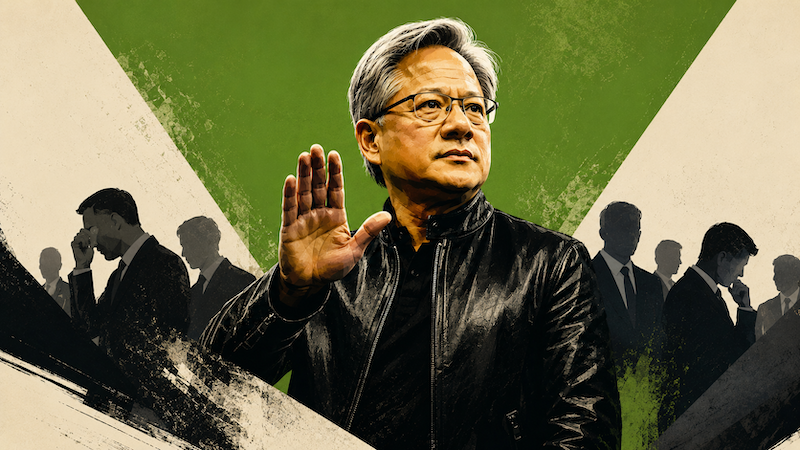
NVIDIA reported earnings today. Revenue came in at $81.6 billion for the quarter, up 85% from a year ago, beating analyst expectations for the fifteenth consecutive time.
Over 150,000 tech workers have been laid off in 2026. Nearly half were attributed to AI. PayPal is cutting 20% of staff. Coinbase cut 14%. Meta dropped 8,000. Oracle shed up to 30,000. Dow, 4,500.

Meta built a leaderboard. It ranked every one of its 85,000 employees by how many AI tokens they consumed. The top slot earned the title "Token Legend."
Andrej Karpathy joined Anthropic today. Not quietly. Not after a gardening leave cool-down period. Not after a year on the bench while lawyers negotiated.

Google and Blackstone are launching a U.S.-based joint venture to sell cloud computing powered by Google's custom TPU chips.
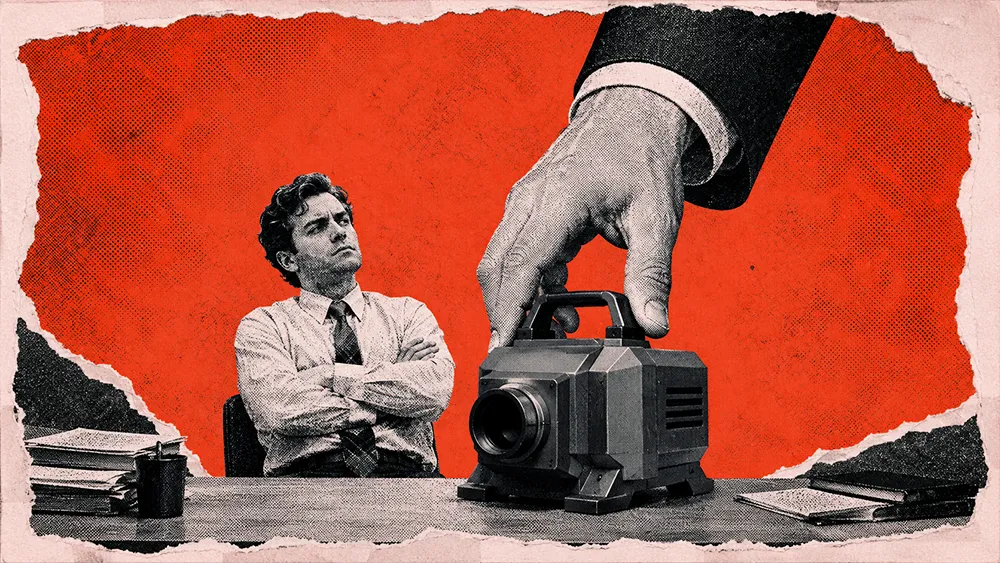
A 2,400-person survey by WRITER and Workplace Intelligence found that 29% of employees admit to actively sabotaging their company's AI strategy.
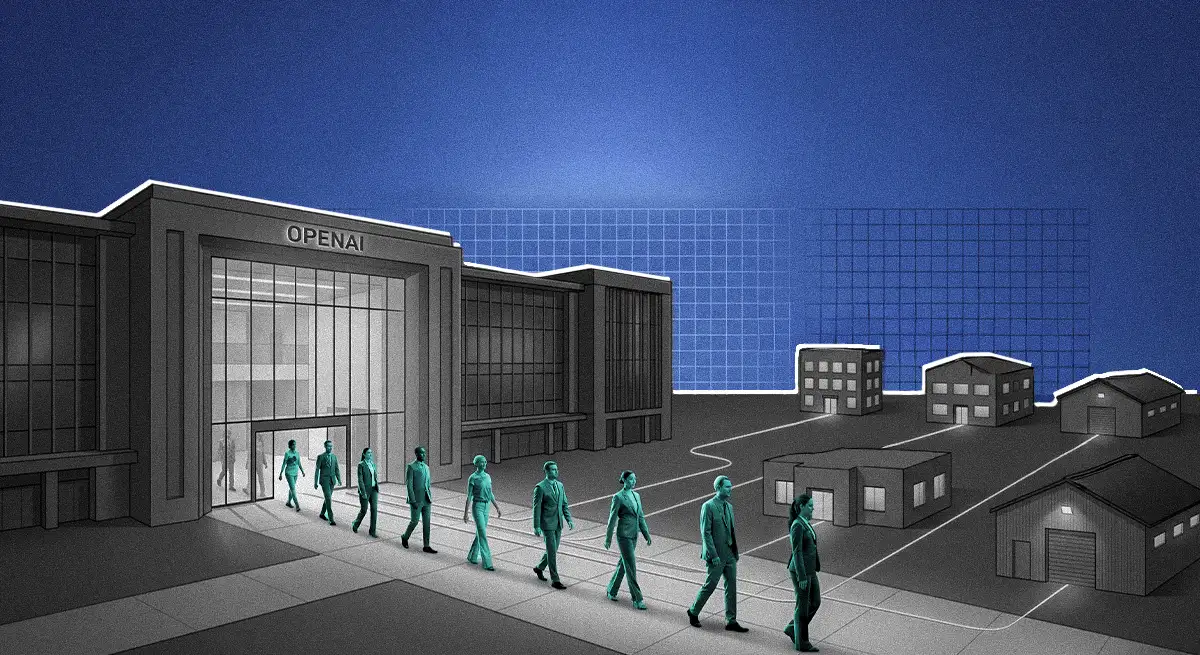
Slack, Fireflies, HubSpot, and the quiet data lockdown reshaping the build vs. buy debate.

Six days ago, we published a piece arguing that every AI subscription is a ticking time bomb for enterprise. We did not expect the fuse to be quite this short.

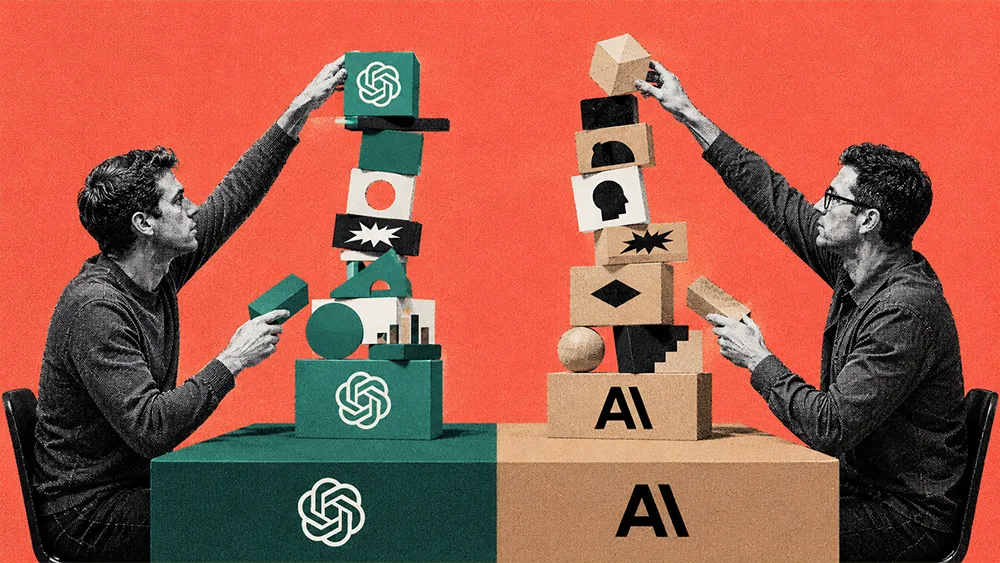
Last week, we wrote that Anthropic and OpenAI were both building billion-dollar ventures designed to embed AI engineers directly inside enterprises. Today, OpenAI made it official.
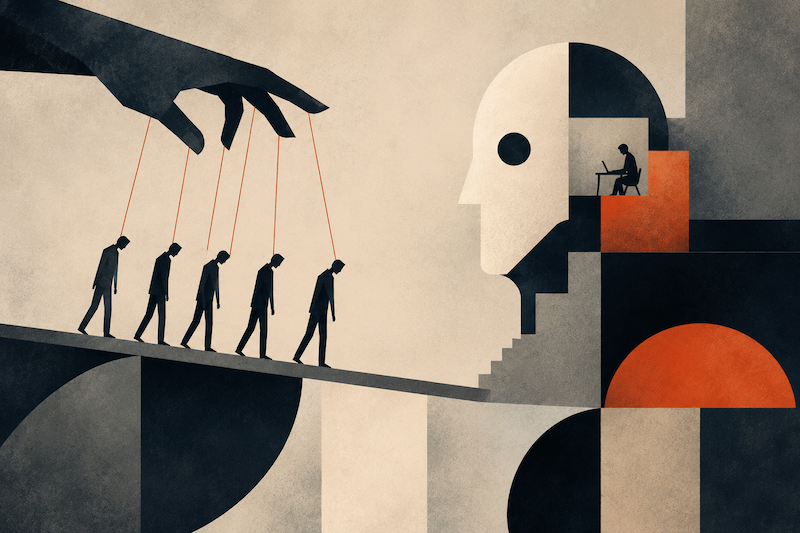
Every AI lab is losing money serving your company right now. They know it. And they are doing it on purpose.

Here's the state of play. Companies are spending more on AI than on the people who use it. They're simultaneously cutting headcount in the name of AI efficiency.
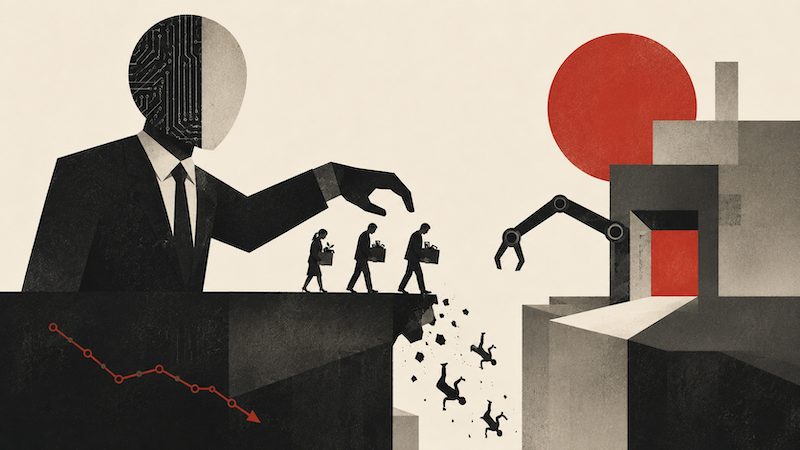
Gartner just dropped the most important data point in the AI-and-jobs debate. The finding: cutting people doesn't correlate with better financial performance.
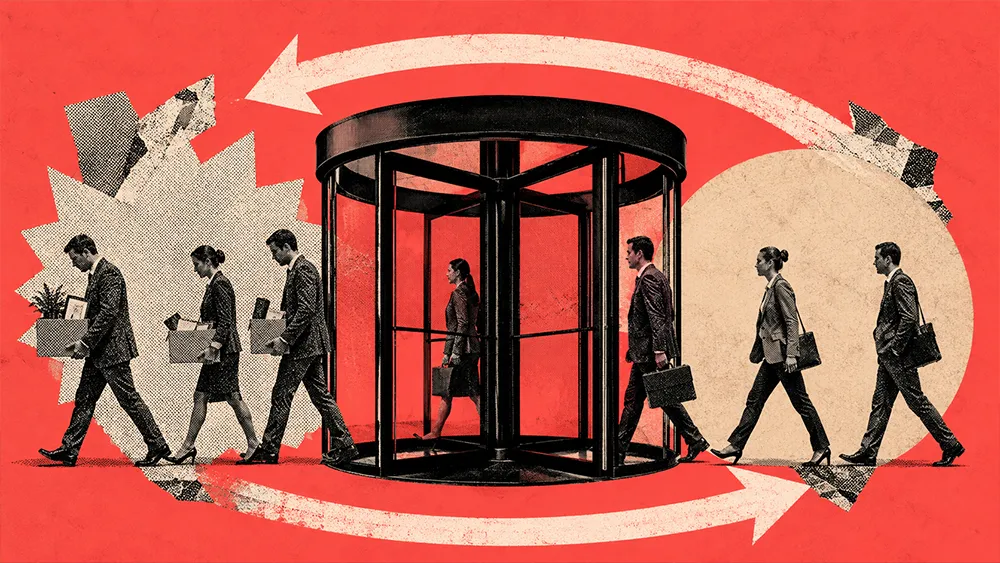
Klarna's very public reversal on AI-driven workforce replacement is not a customer service story. It's a brand story. And it's the one your company is quietly living through right now.

Anthropic's announcement on Monday isn't just a joint venture. It's a blueprint for a new operating model, one where every product and tech company builds, owns, and deploys AI trained on its own data.
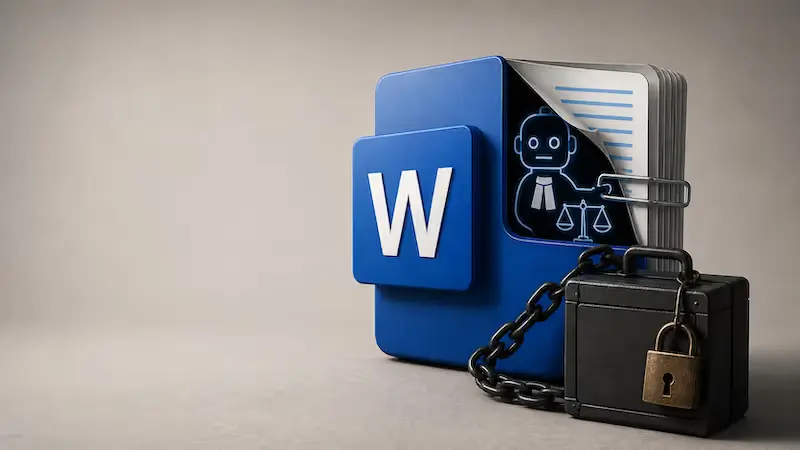
Harvey raised at $11 billion on the promise that legal AI is its own platform, and then Microsoft bundled the same capability into a $30 Word subscription.
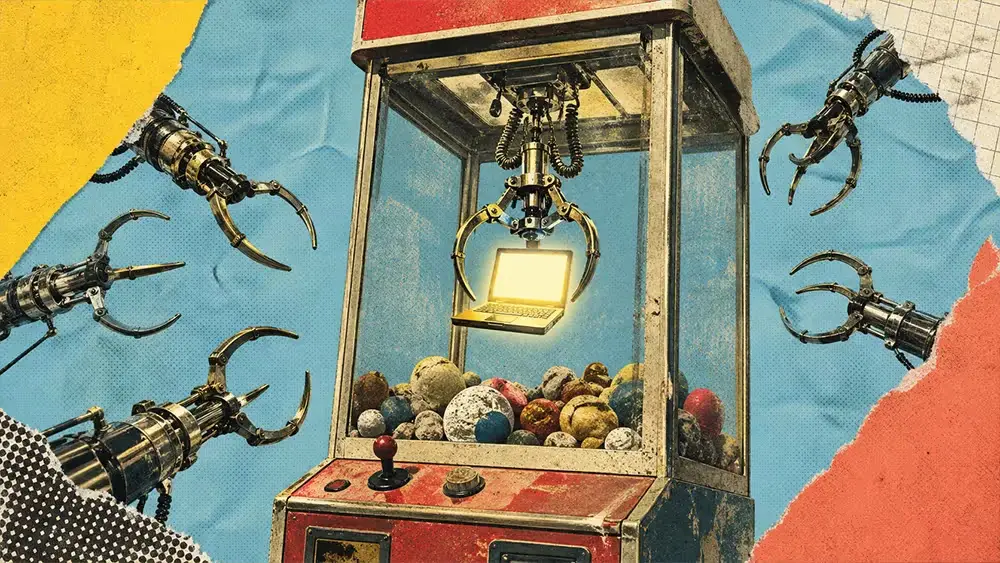
Your engineering team is talking about OpenClaw, NanoClaw, and Tank OS. Here's what all of it actually means, and why you should care.
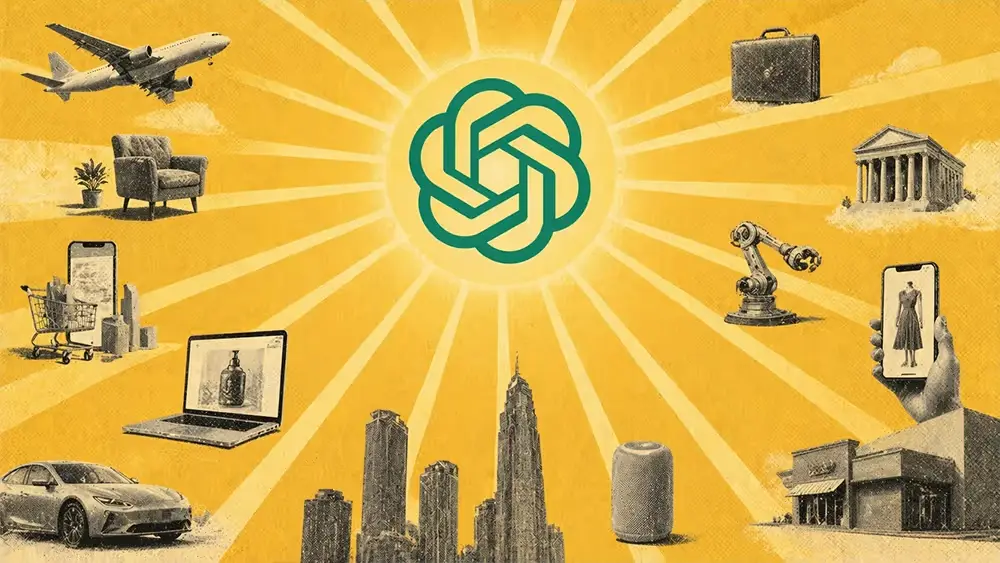
OpenAI released GPT-5.5 this morning. Greg Brockman called it a step toward "more agentic and intuitive computing". And for brand leaders, the question isn't "should we adopt AI" anymore.
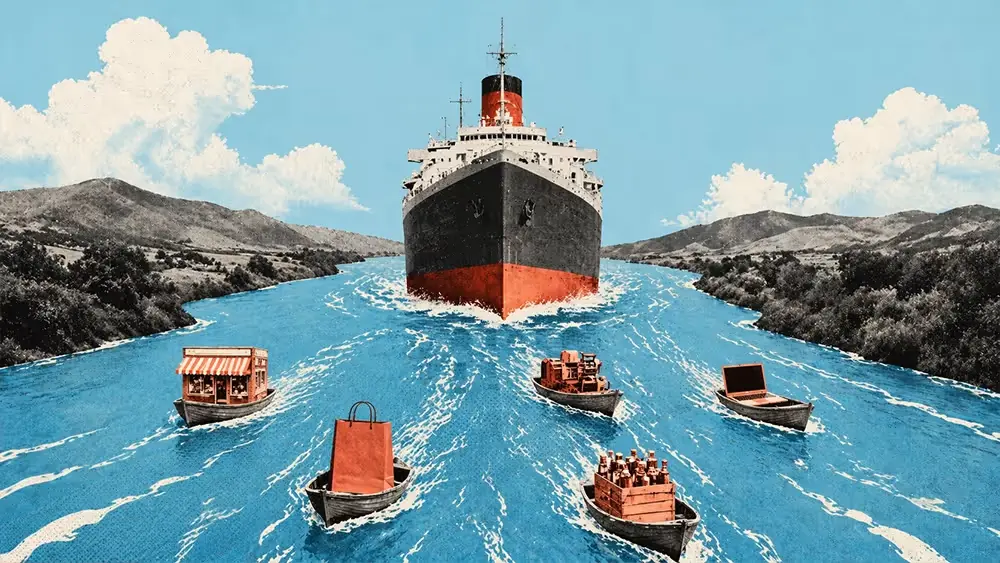
When your model provider becomes your competitor, the moat you thought you had turns out to be a feature they hadn't gotten around to building yet.
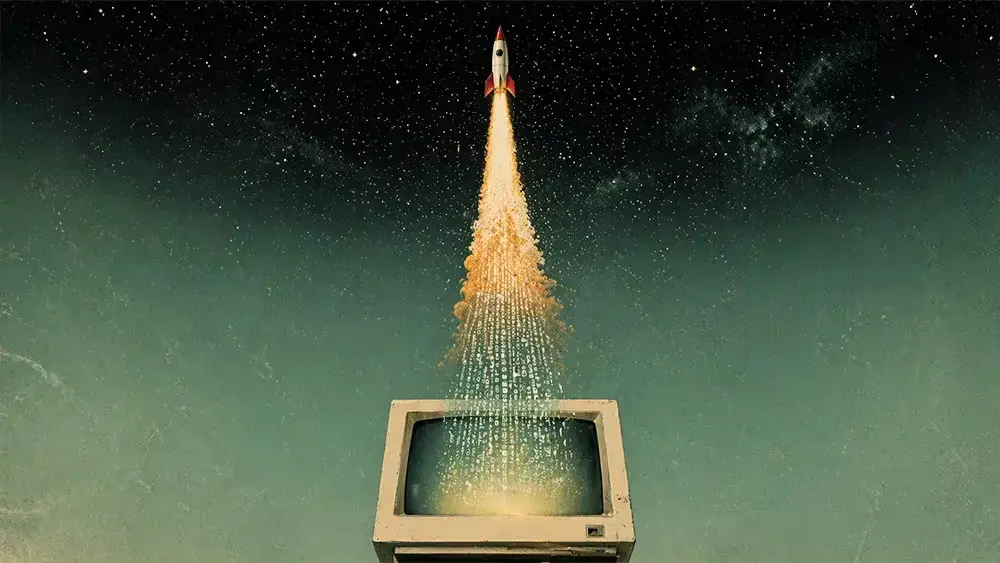
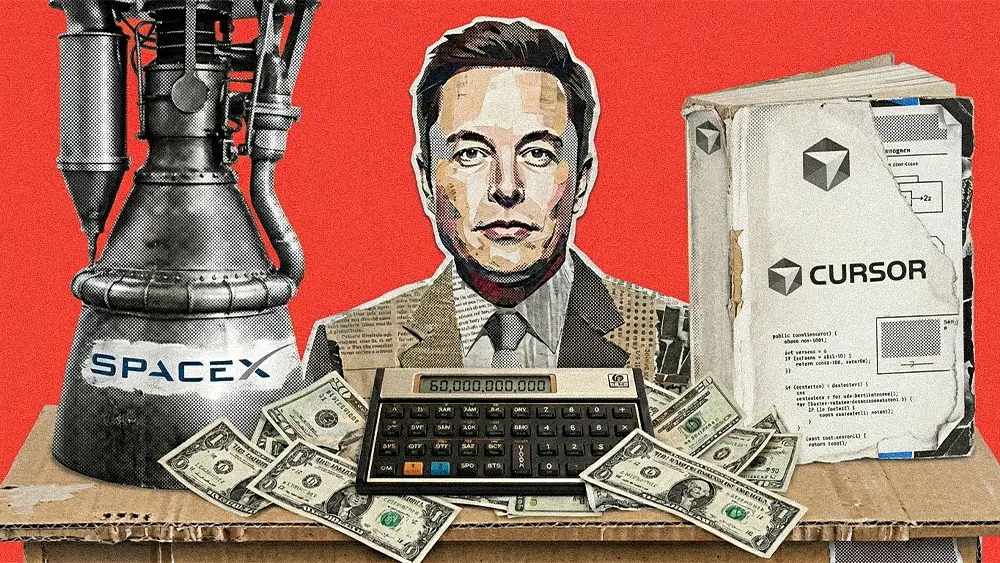
SpaceX announced tonight that it has an agreement to either acquire Cursor, the AI coding startup, for $60 billion later this year, or pay $10 billion for their partnership work together.
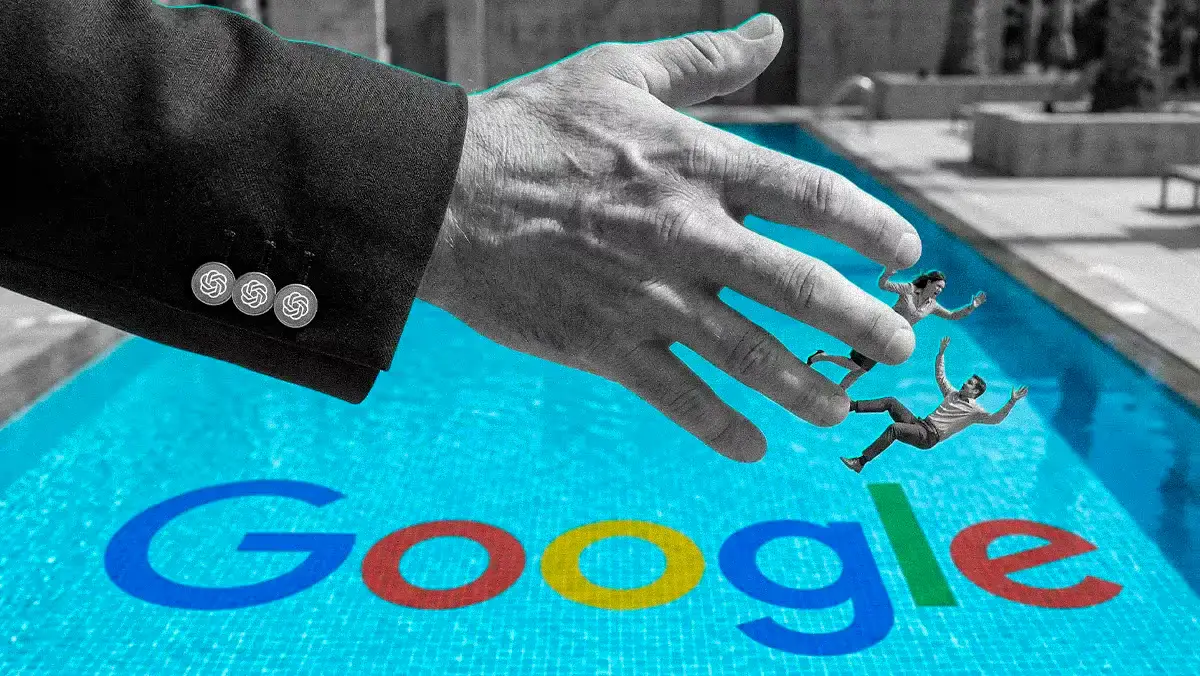
Semrush research showed that 20% of ChatGPT's referral traffic fed back into Google, exposing a discovery loop that rewarded B2B brands visible in both layers.
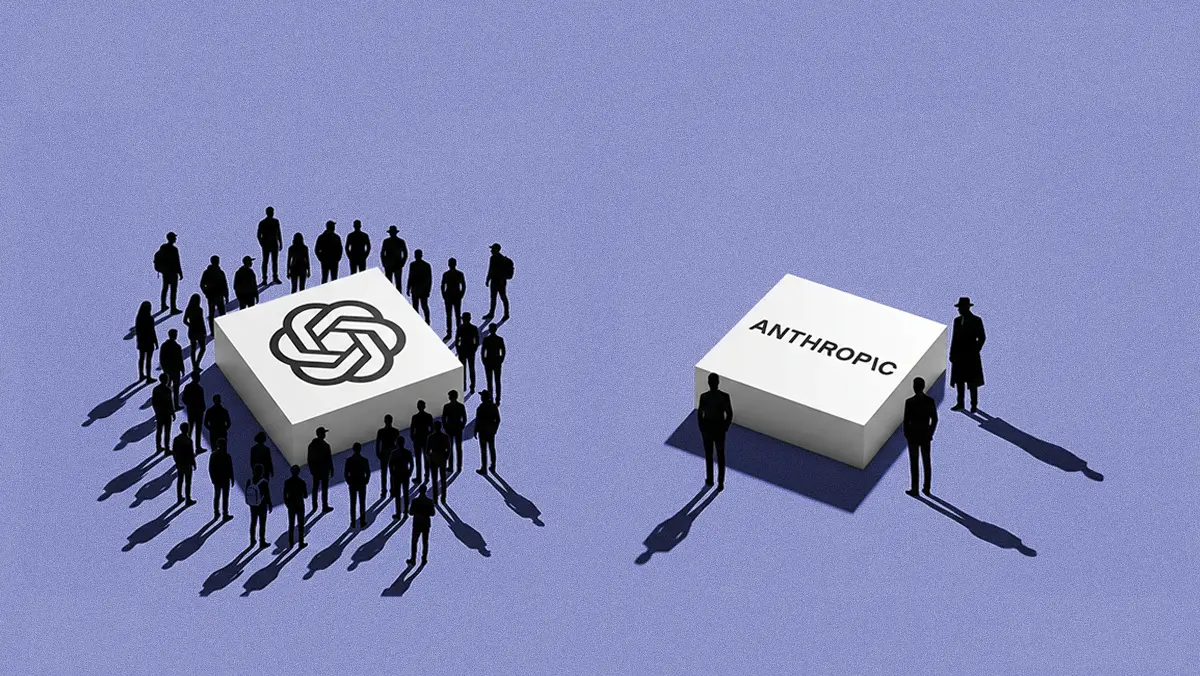
Anthropic and OpenAI both shipped cybersecurity models this week, and the contrast in how they did it is the most revealing brand positioning moment of the year.
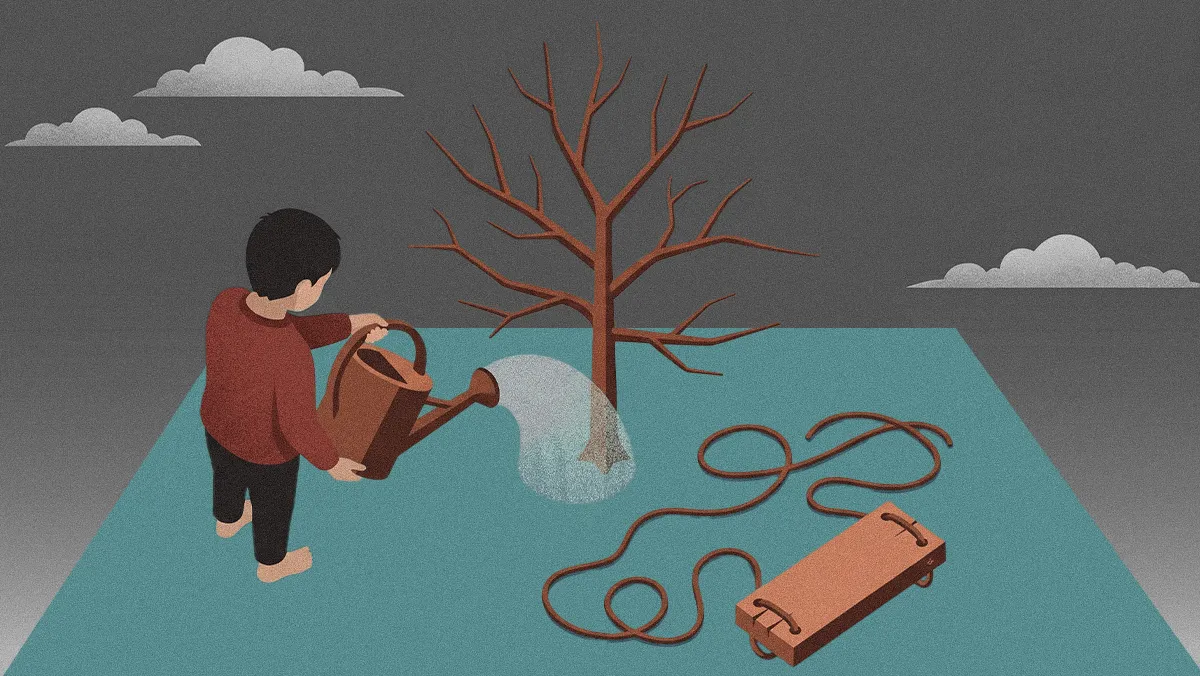
Stanford's AI Index findings on transparency, convergence, and sentiment all point in one direction: brand is the hardest advantage to build and the hardest to replicate.
EmDash is the first CMS built around the idea that AI agents are an audience worth charging. For owned media, that changes everything.

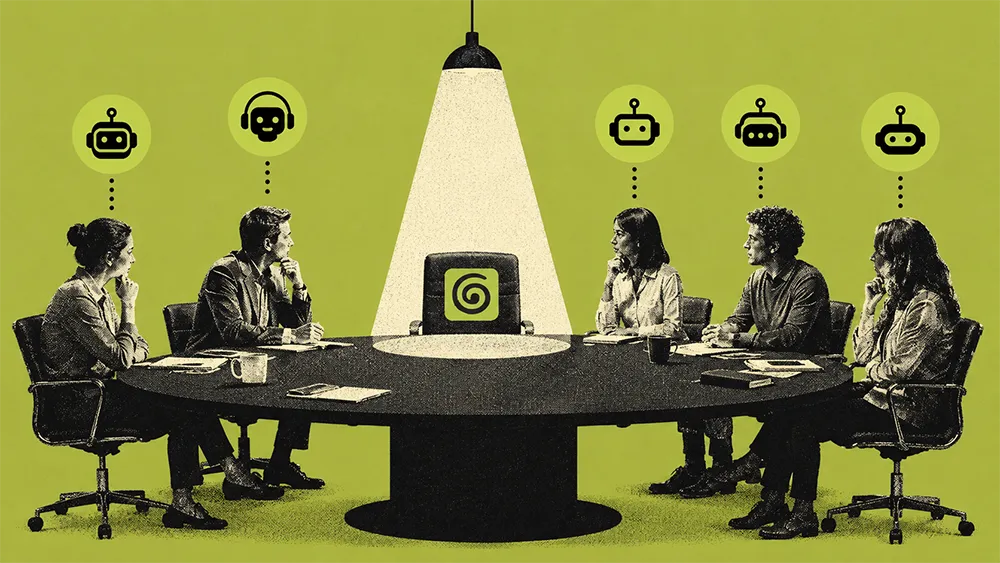
It's not a skills gap. It's a standards gap. AI adoption is nearly universal, but almost no one has built the systems to govern it. Brands are fragmenting from the inside, and most CMOs don't see it coming.
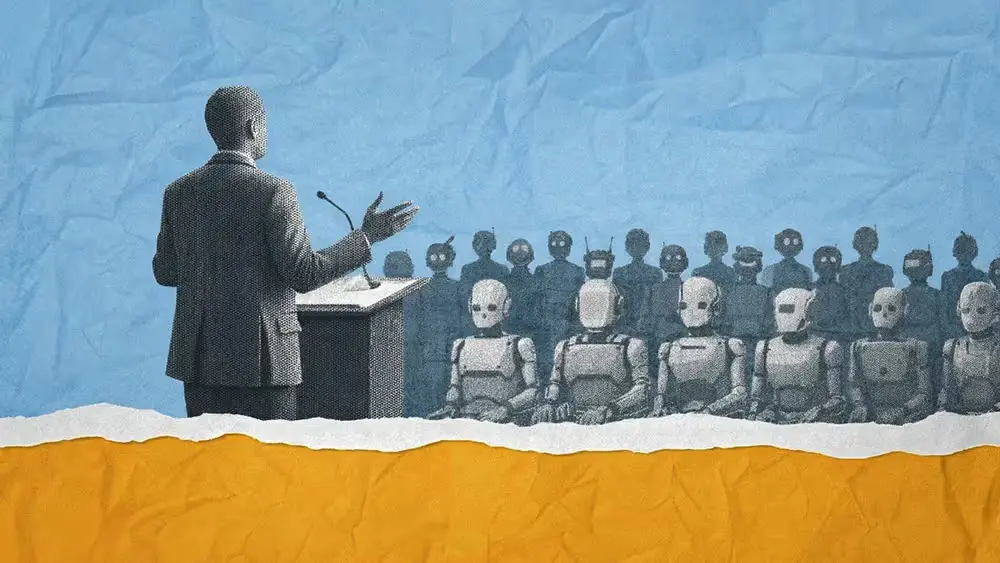
Most B2B brand teams are optimizing for one audience while a second, faster-growing one forms impressions of their brand in conversations they can't see.
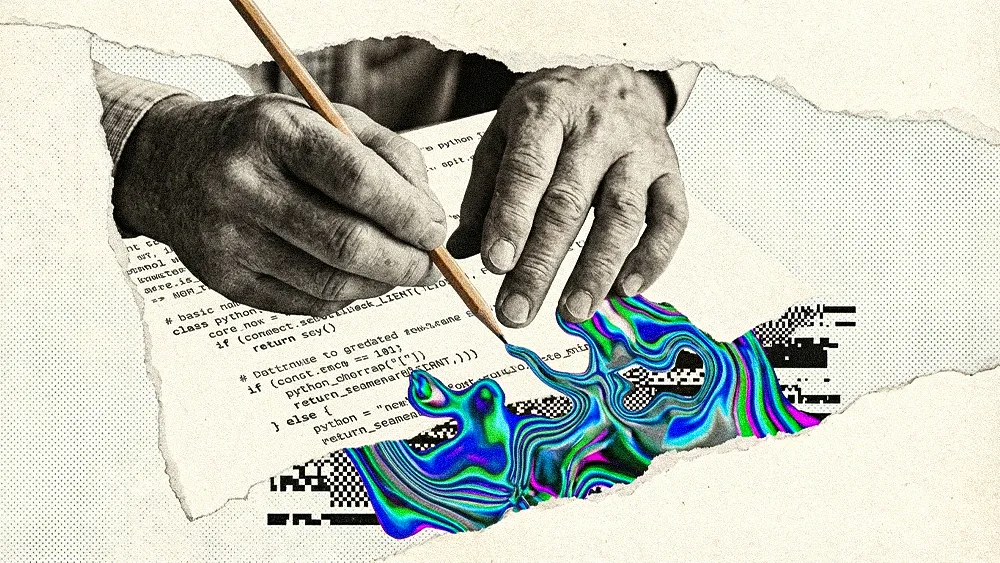
Most enterprise marketing teams have an AI adoption mandate but no governance for what those tools produce, and the gap is already causing campaign errors, compliance risk, and slower workflows.
McKinsey found that CMOs are winning with AI, but very few can demonstrate ROI on more than half of their marketing spend.
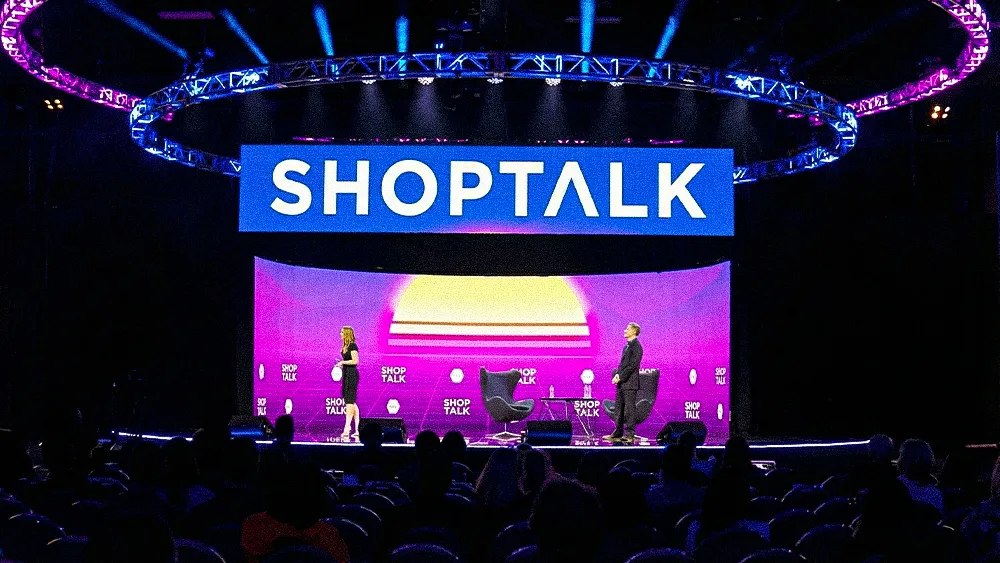
At Shoptalk 2026, the gap between onstage AI ambition and offstage reality was hard to ignore, with more than half of organizations still operating without clear governance for marketing campaigns.

Sam Altman offered $2 million in OpenAI tokens to every startup in Y Combinator's current batch. It looks like generosity. It's a distribution play disguised as an investment.

NVIDIA reported earnings today. Revenue came in at $81.6 billion for the quarter, up 85% from a year ago, beating analyst expectations for the fifteenth consecutive time.

Over 150,000 tech workers have been laid off in 2026. Nearly half were attributed to AI. PayPal is cutting 20% of staff. Coinbase cut 14%. Meta dropped 8,000. Oracle shed up to 30,000. Dow, 4,500.

Meta built a leaderboard. It ranked every one of its 85,000 employees by how many AI tokens they consumed. The top slot earned the title "Token Legend."

Andrej Karpathy joined Anthropic today. Not quietly. Not after a gardening leave cool-down period. Not after a year on the bench while lawyers negotiated.

Google and Blackstone are launching a U.S.-based joint venture to sell cloud computing powered by Google's custom TPU chips.

A 2,400-person survey by WRITER and Workplace Intelligence found that 29% of employees admit to actively sabotaging their company's AI strategy.

Slack, Fireflies, HubSpot, and the quiet data lockdown reshaping the build vs. buy debate.

Six days ago, we published a piece arguing that every AI subscription is a ticking time bomb for enterprise. We did not expect the fuse to be quite this short.

Last week, we wrote that Anthropic and OpenAI were both building billion-dollar ventures designed to embed AI engineers directly inside enterprises. Today, OpenAI made it official.

Every AI lab is losing money serving your company right now. They know it. And they are doing it on purpose.

Here's the state of play. Companies are spending more on AI than on the people who use it. They're simultaneously cutting headcount in the name of AI efficiency.

Gartner just dropped the most important data point in the AI-and-jobs debate. The finding: cutting people doesn't correlate with better financial performance.

Klarna's very public reversal on AI-driven workforce replacement is not a customer service story. It's a brand story. And it's the one your company is quietly living through right now.

Anthropic's announcement on Monday isn't just a joint venture. It's a blueprint for a new operating model, one where every product and tech company builds, owns, and deploys AI trained on its own data.

Harvey raised at $11 billion on the promise that legal AI is its own platform, and then Microsoft bundled the same capability into a $30 Word subscription.

Your engineering team is talking about OpenClaw, NanoClaw, and Tank OS. Here's what all of it actually means, and why you should care.

OpenAI released GPT-5.5 this morning. Greg Brockman called it a step toward "more agentic and intuitive computing". And for brand leaders, the question isn't "should we adopt AI" anymore.

When your model provider becomes your competitor, the moat you thought you had turns out to be a feature they hadn't gotten around to building yet.

SpaceX announced tonight that it has an agreement to either acquire Cursor, the AI coding startup, for $60 billion later this year, or pay $10 billion for their partnership work together.

Semrush research showed that 20% of ChatGPT's referral traffic fed back into Google, exposing a discovery loop that rewarded B2B brands visible in both layers.

Anthropic and OpenAI both shipped cybersecurity models this week, and the contrast in how they did it is the most revealing brand positioning moment of the year.

Stanford's AI Index findings on transparency, convergence, and sentiment all point in one direction: brand is the hardest advantage to build and the hardest to replicate.

EmDash is the first CMS built around the idea that AI agents are an audience worth charging. For owned media, that changes everything.

It's not a skills gap. It's a standards gap. AI adoption is nearly universal, but almost no one has built the systems to govern it. Brands are fragmenting from the inside, and most CMOs don't see it coming.

Most B2B brand teams are optimizing for one audience while a second, faster-growing one forms impressions of their brand in conversations they can't see.

Most enterprise marketing teams have an AI adoption mandate but no governance for what those tools produce, and the gap is already causing campaign errors, compliance risk, and slower workflows.

McKinsey found that CMOs are winning with AI, but very few can demonstrate ROI on more than half of their marketing spend.

At Shoptalk 2026, the gap between onstage AI ambition and offstage reality was hard to ignore, with more than half of organizations still operating without clear governance for marketing campaigns.

Sam Altman offered $2 million in OpenAI tokens to every startup in Y Combinator's current batch. It looks like generosity. It's a distribution play disguised as an investment.

NVIDIA reported earnings today. Revenue came in at $81.6 billion for the quarter, up 85% from a year ago, beating analyst expectations for the fifteenth consecutive time.

Over 150,000 tech workers have been laid off in 2026. Nearly half were attributed to AI. PayPal is cutting 20% of staff. Coinbase cut 14%. Meta dropped 8,000. Oracle shed up to 30,000. Dow, 4,500.

Meta built a leaderboard. It ranked every one of its 85,000 employees by how many AI tokens they consumed. The top slot earned the title "Token Legend."

Andrej Karpathy joined Anthropic today. Not quietly. Not after a gardening leave cool-down period. Not after a year on the bench while lawyers negotiated.

Google and Blackstone are launching a U.S.-based joint venture to sell cloud computing powered by Google's custom TPU chips.

A 2,400-person survey by WRITER and Workplace Intelligence found that 29% of employees admit to actively sabotaging their company's AI strategy.

Slack, Fireflies, HubSpot, and the quiet data lockdown reshaping the build vs. buy debate.

Six days ago, we published a piece arguing that every AI subscription is a ticking time bomb for enterprise. We did not expect the fuse to be quite this short.

Last week, we wrote that Anthropic and OpenAI were both building billion-dollar ventures designed to embed AI engineers directly inside enterprises. Today, OpenAI made it official.

Every AI lab is losing money serving your company right now. They know it. And they are doing it on purpose.

Here's the state of play. Companies are spending more on AI than on the people who use it. They're simultaneously cutting headcount in the name of AI efficiency.

Gartner just dropped the most important data point in the AI-and-jobs debate. The finding: cutting people doesn't correlate with better financial performance.

Klarna's very public reversal on AI-driven workforce replacement is not a customer service story. It's a brand story. And it's the one your company is quietly living through right now.

Anthropic's announcement on Monday isn't just a joint venture. It's a blueprint for a new operating model, one where every product and tech company builds, owns, and deploys AI trained on its own data.

Harvey raised at $11 billion on the promise that legal AI is its own platform, and then Microsoft bundled the same capability into a $30 Word subscription.

Your engineering team is talking about OpenClaw, NanoClaw, and Tank OS. Here's what all of it actually means, and why you should care.

OpenAI released GPT-5.5 this morning. Greg Brockman called it a step toward "more agentic and intuitive computing". And for brand leaders, the question isn't "should we adopt AI" anymore.

When your model provider becomes your competitor, the moat you thought you had turns out to be a feature they hadn't gotten around to building yet.

SpaceX announced tonight that it has an agreement to either acquire Cursor, the AI coding startup, for $60 billion later this year, or pay $10 billion for their partnership work together.

Semrush research showed that 20% of ChatGPT's referral traffic fed back into Google, exposing a discovery loop that rewarded B2B brands visible in both layers.

Anthropic and OpenAI both shipped cybersecurity models this week, and the contrast in how they did it is the most revealing brand positioning moment of the year.

Stanford's AI Index findings on transparency, convergence, and sentiment all point in one direction: brand is the hardest advantage to build and the hardest to replicate.

EmDash is the first CMS built around the idea that AI agents are an audience worth charging. For owned media, that changes everything.

It's not a skills gap. It's a standards gap. AI adoption is nearly universal, but almost no one has built the systems to govern it. Brands are fragmenting from the inside, and most CMOs don't see it coming.

Most B2B brand teams are optimizing for one audience while a second, faster-growing one forms impressions of their brand in conversations they can't see.

Most enterprise marketing teams have an AI adoption mandate but no governance for what those tools produce, and the gap is already causing campaign errors, compliance risk, and slower workflows.

McKinsey found that CMOs are winning with AI, but very few can demonstrate ROI on more than half of their marketing spend.

At Shoptalk 2026, the gap between onstage AI ambition and offstage reality was hard to ignore, with more than half of organizations still operating without clear governance for marketing campaigns.

Sam Altman offered $2 million in OpenAI tokens to every startup in Y Combinator's current batch. It looks like generosity. It's a distribution play disguised as an investment.

NVIDIA reported earnings today. Revenue came in at $81.6 billion for the quarter, up 85% from a year ago, beating analyst expectations for the fifteenth consecutive time.

Over 150,000 tech workers have been laid off in 2026. Nearly half were attributed to AI. PayPal is cutting 20% of staff. Coinbase cut 14%. Meta dropped 8,000. Oracle shed up to 30,000. Dow, 4,500.

Meta built a leaderboard. It ranked every one of its 85,000 employees by how many AI tokens they consumed. The top slot earned the title "Token Legend."

Andrej Karpathy joined Anthropic today. Not quietly. Not after a gardening leave cool-down period. Not after a year on the bench while lawyers negotiated.

Google and Blackstone are launching a U.S.-based joint venture to sell cloud computing powered by Google's custom TPU chips.

A 2,400-person survey by WRITER and Workplace Intelligence found that 29% of employees admit to actively sabotaging their company's AI strategy.

Slack, Fireflies, HubSpot, and the quiet data lockdown reshaping the build vs. buy debate.

Six days ago, we published a piece arguing that every AI subscription is a ticking time bomb for enterprise. We did not expect the fuse to be quite this short.

Last week, we wrote that Anthropic and OpenAI were both building billion-dollar ventures designed to embed AI engineers directly inside enterprises. Today, OpenAI made it official.

Every AI lab is losing money serving your company right now. They know it. And they are doing it on purpose.

Here's the state of play. Companies are spending more on AI than on the people who use it. They're simultaneously cutting headcount in the name of AI efficiency.

Gartner just dropped the most important data point in the AI-and-jobs debate. The finding: cutting people doesn't correlate with better financial performance.

Klarna's very public reversal on AI-driven workforce replacement is not a customer service story. It's a brand story. And it's the one your company is quietly living through right now.

Anthropic's announcement on Monday isn't just a joint venture. It's a blueprint for a new operating model, one where every product and tech company builds, owns, and deploys AI trained on its own data.

Harvey raised at $11 billion on the promise that legal AI is its own platform, and then Microsoft bundled the same capability into a $30 Word subscription.

Your engineering team is talking about OpenClaw, NanoClaw, and Tank OS. Here's what all of it actually means, and why you should care.

OpenAI released GPT-5.5 this morning. Greg Brockman called it a step toward "more agentic and intuitive computing". And for brand leaders, the question isn't "should we adopt AI" anymore.

When your model provider becomes your competitor, the moat you thought you had turns out to be a feature they hadn't gotten around to building yet.

SpaceX announced tonight that it has an agreement to either acquire Cursor, the AI coding startup, for $60 billion later this year, or pay $10 billion for their partnership work together.

Semrush research showed that 20% of ChatGPT's referral traffic fed back into Google, exposing a discovery loop that rewarded B2B brands visible in both layers.

Anthropic and OpenAI both shipped cybersecurity models this week, and the contrast in how they did it is the most revealing brand positioning moment of the year.

Stanford's AI Index findings on transparency, convergence, and sentiment all point in one direction: brand is the hardest advantage to build and the hardest to replicate.

EmDash is the first CMS built around the idea that AI agents are an audience worth charging. For owned media, that changes everything.

It's not a skills gap. It's a standards gap. AI adoption is nearly universal, but almost no one has built the systems to govern it. Brands are fragmenting from the inside, and most CMOs don't see it coming.

Most B2B brand teams are optimizing for one audience while a second, faster-growing one forms impressions of their brand in conversations they can't see.

Most enterprise marketing teams have an AI adoption mandate but no governance for what those tools produce, and the gap is already causing campaign errors, compliance risk, and slower workflows.

McKinsey found that CMOs are winning with AI, but very few can demonstrate ROI on more than half of their marketing spend.

At Shoptalk 2026, the gap between onstage AI ambition and offstage reality was hard to ignore, with more than half of organizations still operating without clear governance for marketing campaigns.