


AI Can Optimize The Campaign. It Can't Tell Marketers Whether It Created Demand.
Siraj Dawar, Head of Marketing at Bee Enterprises, found a 30x ROAS campaign creating no new demand. As ad platforms automate, the dashboard needs a second opinion.
Growth and go-to-market strategy covering demand generation, distribution, positioning, revenue planning, and audience development insights.
Siraj Dawar, Head of Marketing at Bee Enterprises, found a 30x ROAS campaign creating no new demand. As ad platforms automate, the dashboard needs a second opinion.
Nikolay Tsonev, Head of Marketing at Businessmap, shares why he now tracks branded search instead of website traffic, and why marketers and salespeople at Businessmap report the same metric.

Meta's Muse is told to rank well-known merchants first, check just three stores and save checkout for its own catalog. Challenger brands start behind.
LinkedIn’s new Network tab shows only posts from connections and follows, a test that would limit Company Pages to the followers they’ve actually earned.

How to build an owned media strategy in eight steps: define your reader, launch an industry publication, feature real executives and earn an audience.
PR still lands mentions, but the brands keeping their audiences in 2026 are the ones publishing their own.
Profound has built a manifesto, a course, a job board and a podcast around the marketing engineer. The title will become a real job only when people with nothing to sell start paying for it.
AI made average content free, so a sourced opinion is the last scarce asset in marketing.
OpenTable CGO Robin Chiang on how the platform stays authentic by amplifying the restaurants and creators diners trust.

The company that taught machines to write your emails is hiring a Global Head of Events to bring people together in person. It says a lot about what gets more valuable as everything else gets automated.

Marketers say ChatGPT ads lift their organic traffic, and OpenAI says ads can't touch its answers. Nobody outside OpenAI can check which is right, and that may shape AI search more than the ads.
Google and LinkedIn send B2B companies less traffic every year. Owned media is how more brands are building audiences they don't have to rent. This guide covers what it is, how it works, and how to get started.

Search and social reach are shrinking fast. Outlever, which builds and runs industry publications for brands, argues that B2B marketers should stop renting attention and start publishing.
Half of new online articles are now written by AI, and LinkedIn and AI search reward brands less every quarter. Outlever's Melissa Rosenthal explains why B2B companies are building newsrooms.
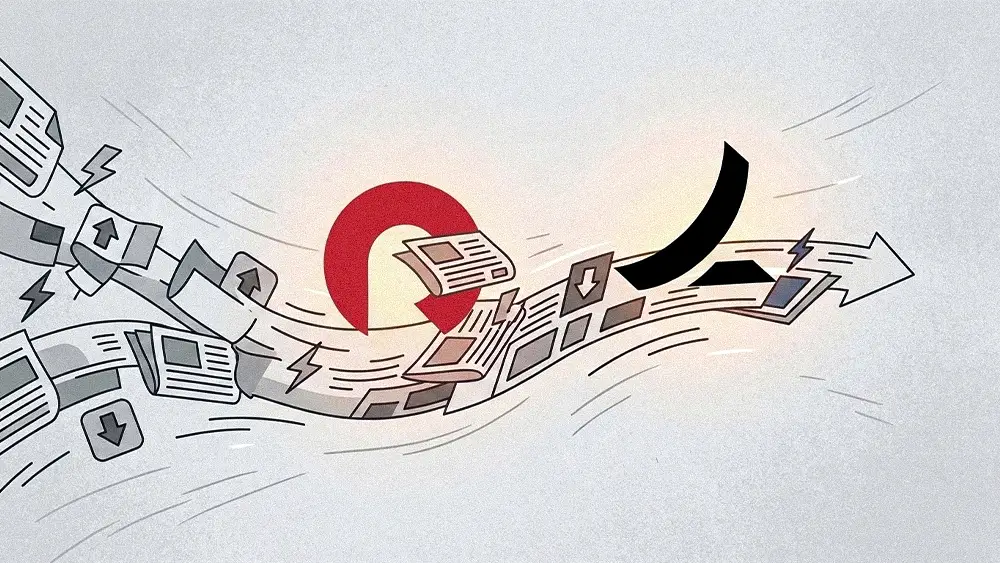
Redfin, ADP and Ramp have each turned internal data into news coverage within days, and sometimes hours, of a major story. Smaller B2B companies can do the same with narrower data.
The reach collapse has a technical explanation, and the platform's new price list has a commercial one.
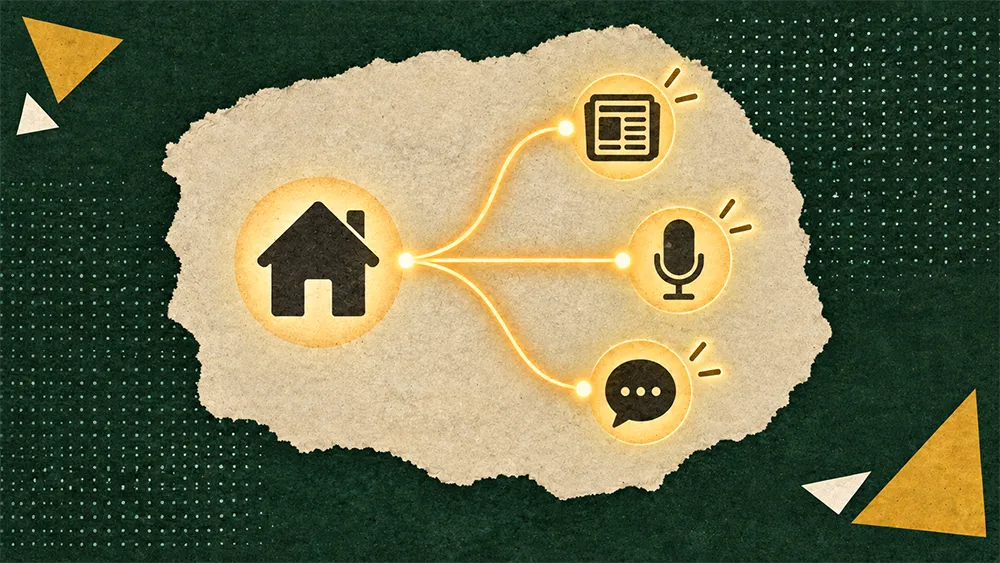
When buyers ask an AI engine about your company, it leans almost entirely on what other people have published about you. Your own site is a small fraction of the input, and that changes where Q4 budget should go.
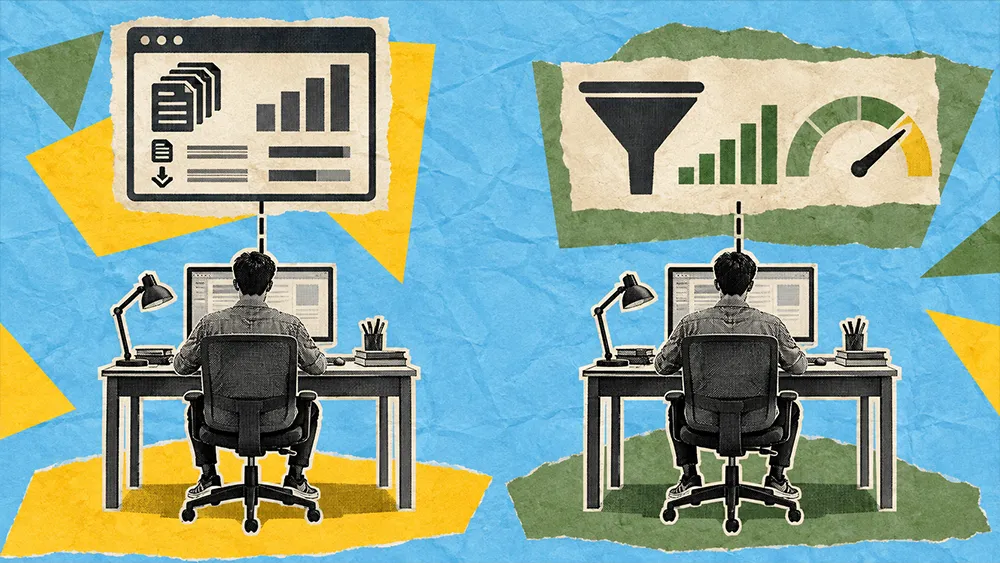
A handful of new job postings tie thought leadership to revenue instead of article counts. It is a small trend with a clear signal: owned media is turning into an operating function.
The median website scores 2 out of 5 on AI discoverability. Webflow's CMO says that's what a conflict-averse marketing team looks like from the outside.
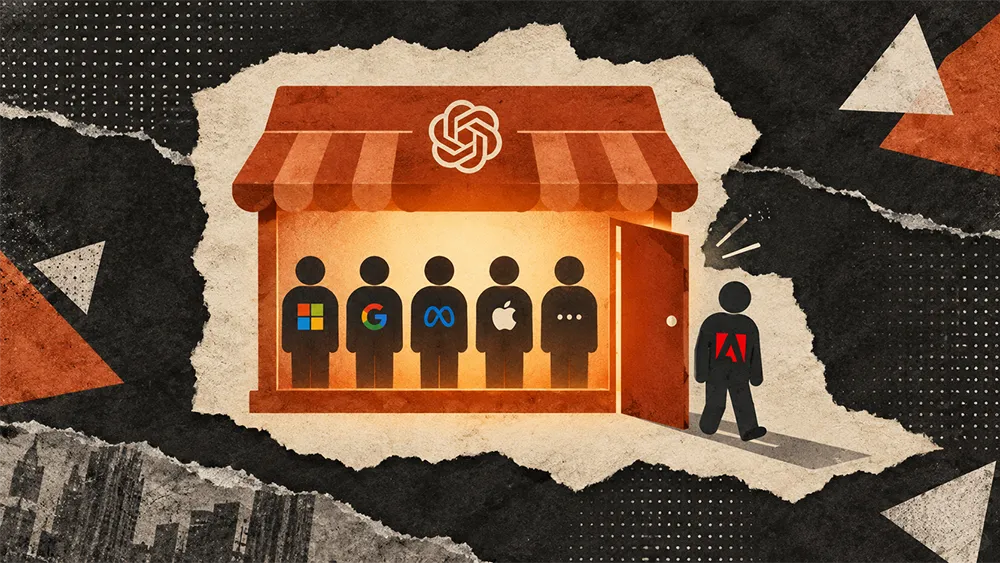
OpenAI has quietly barred ads for image and audio tools that compete with its own. Video is still allowed, which tells you how the rule works.

The CTV land grab added platforms, data, and attribution. It didn't solve the reason most mid-market brands still can't afford to make a TV ad.
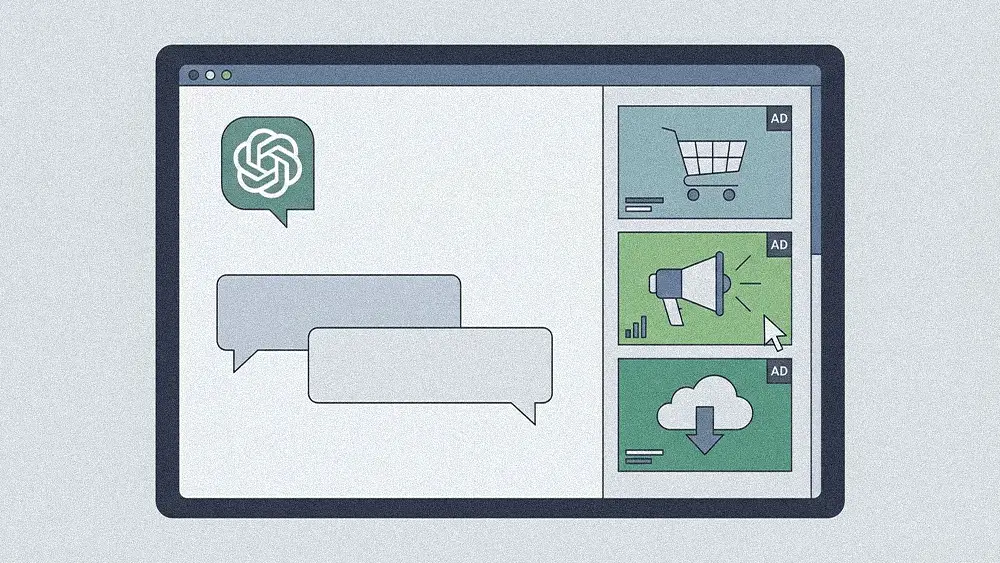
OpenAI's ad business passed a $1 billion run rate in under 200 days. On a free ChatGPT account, a sponsored card can now sit directly beneath an answer that recommends someone else.

Nearly half of B2B software buyers have watched a CFO reverse a purchase their company already approved. Your funnel logs it as a budget freeze.
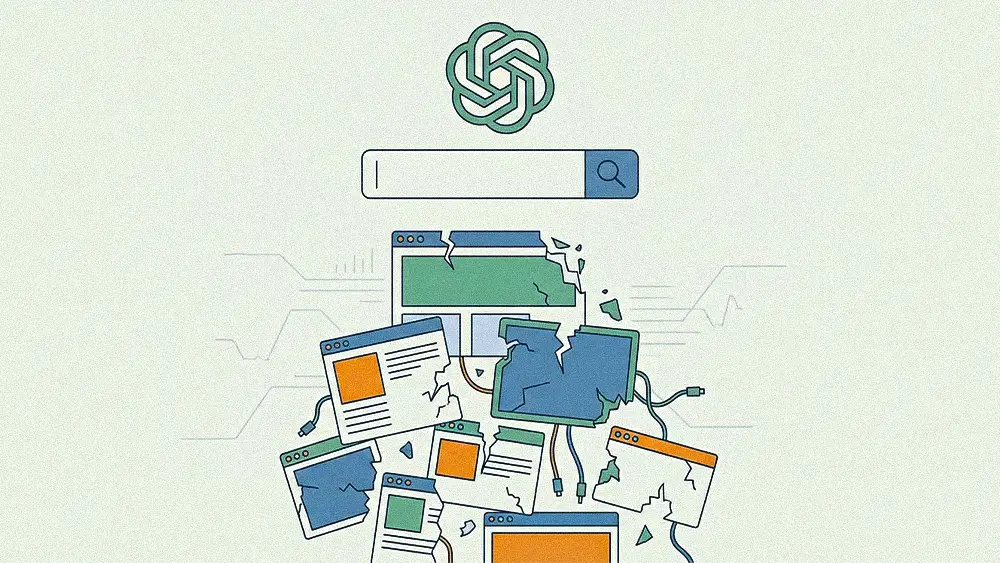
ChatGPT halved its listicle citations on August 6 and Google demoted the same kind of page twelve days later. Roundups and comparison articles have been the core deliverable in AI visibility retainers since 2024.
Hari Srinivasan posted the figure on Thursday, August 20. By the following Monday the main finding had reversed direction, and the timeframe and the unit of measure had come apart too.
From September 15, Cloudflare blocks AI crawlers on ad-supported pages by default, thinning the independent coverage AI systems can read about your category.
Search traffic collapsed and took the display business down with it. For a growing number of publishers the archive is the last inventory left, and they have worked out that it can be sold twice.
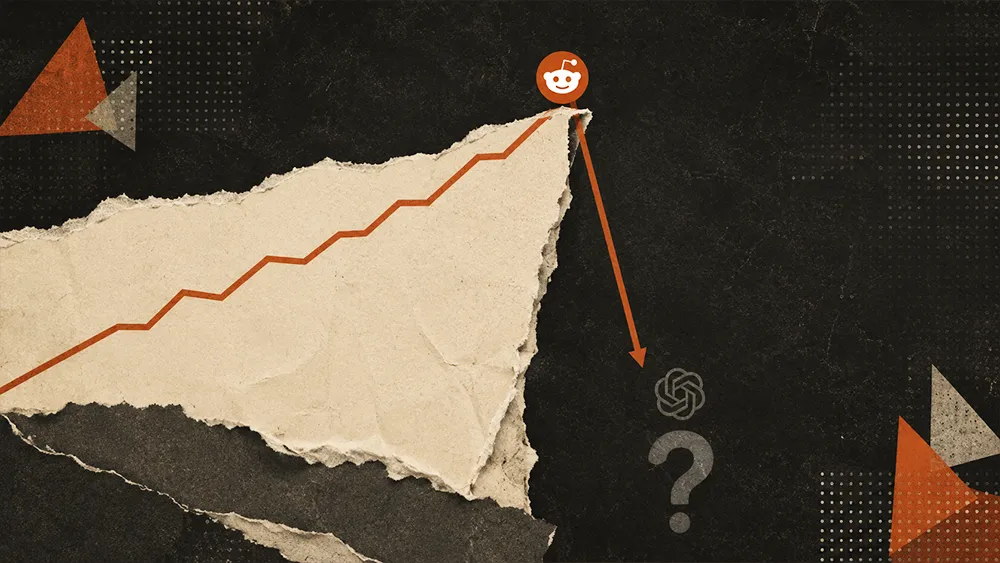
Reddit had a signed licensing deal with OpenAI and still lost most of its visibility overnight, with no warning and no explanation. That should worry anyone currently budgeting against AI search.
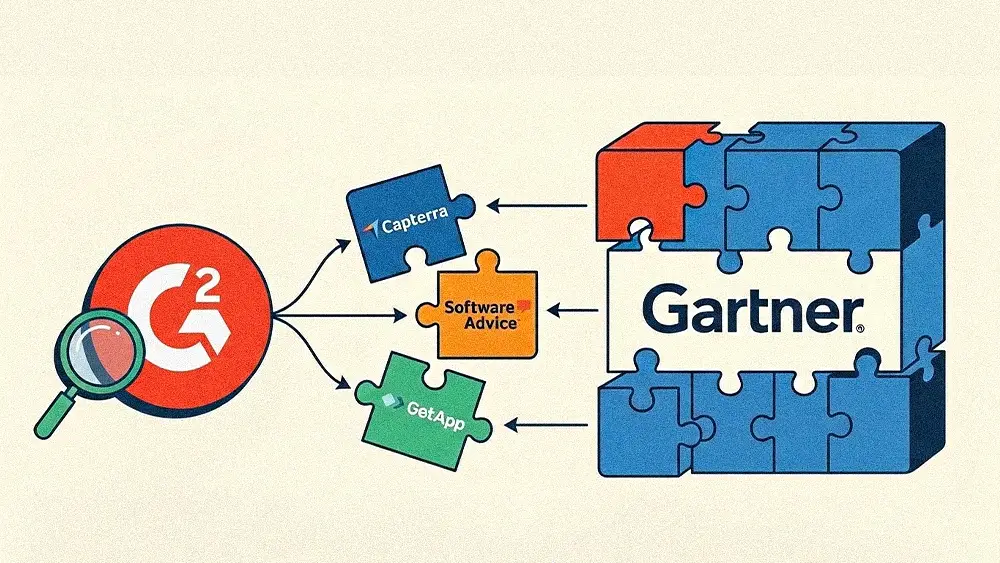
Gartner sold three review sites to G2 for $110 million. Citation data since suggests one company now supplies most of the evidence behind AI software recommendations.

Reddit is now among the most-cited sources in AI answers. A market has formed to sell brands mentions there, and the communities involved are pushing back.
Ramp hired an economist and built an index off 70,000 companies' transactions. Carta hired a Forbes reporter to write quarterly. Both now get cited by outlets that would never have run their pitches.

Fleming argues that AI has knocked out marketing's oldest constraint. He may have named the wrong one.

A firm whose entire business is judging where capital compounds ran an in-house media operation for twelve months, looked at the result with better information than any outside analyst will ever have, and put more in.
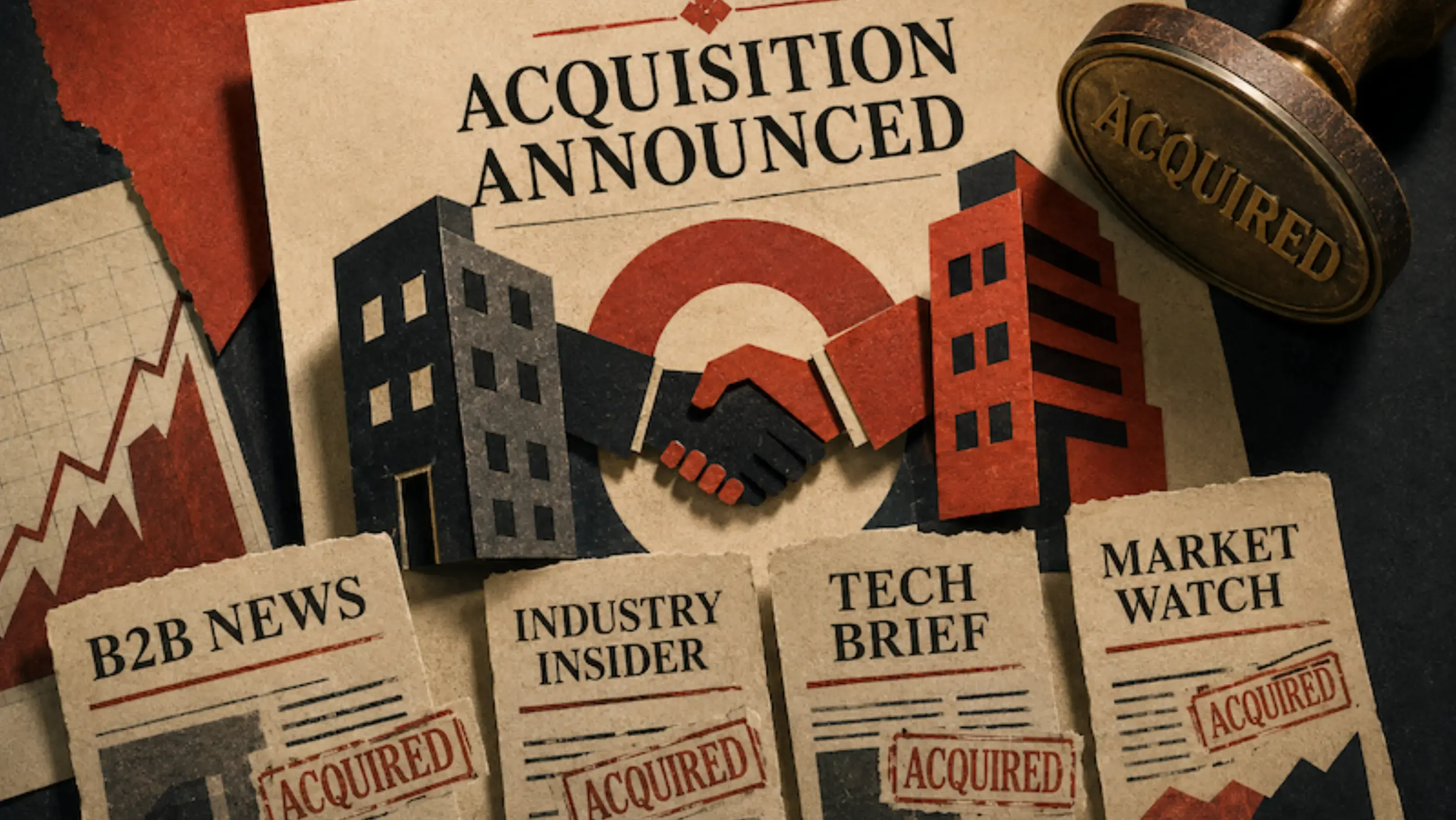
Robinhood, Zapier, DigitalOcean, Pendo, Semrush, Plaid. Six software companies bought the publications their buyers read, and not one of them has answered the question a reader should be asking.
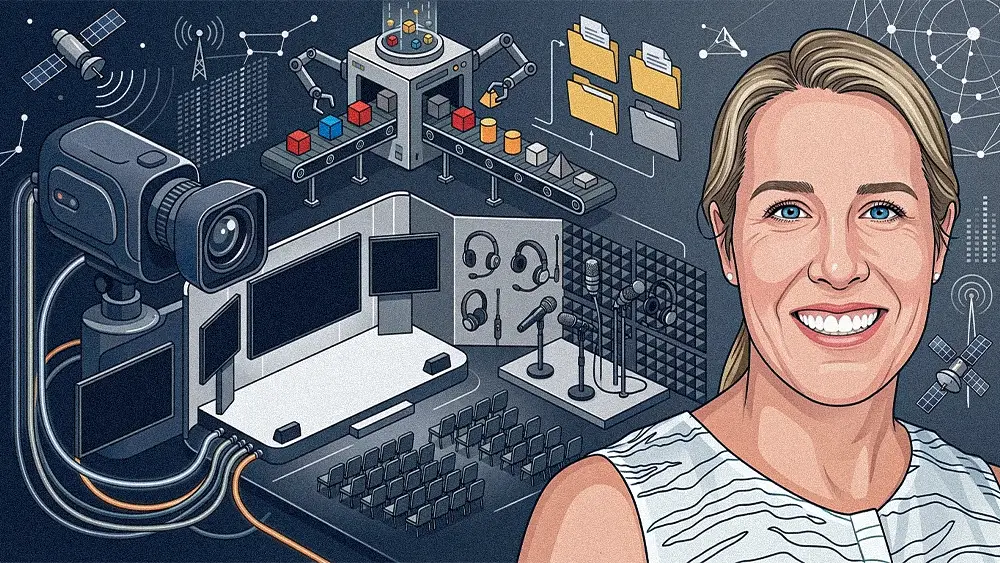
Zoom CMO Kimberly Storin is replacing the awareness-to-preference funnel with a model built for AI discovery, where brands earn trust in rooms they no longer control.
Buyers now meet your category as a summarized comparison table. The only thing that survives the flattening is what specific people actually think.
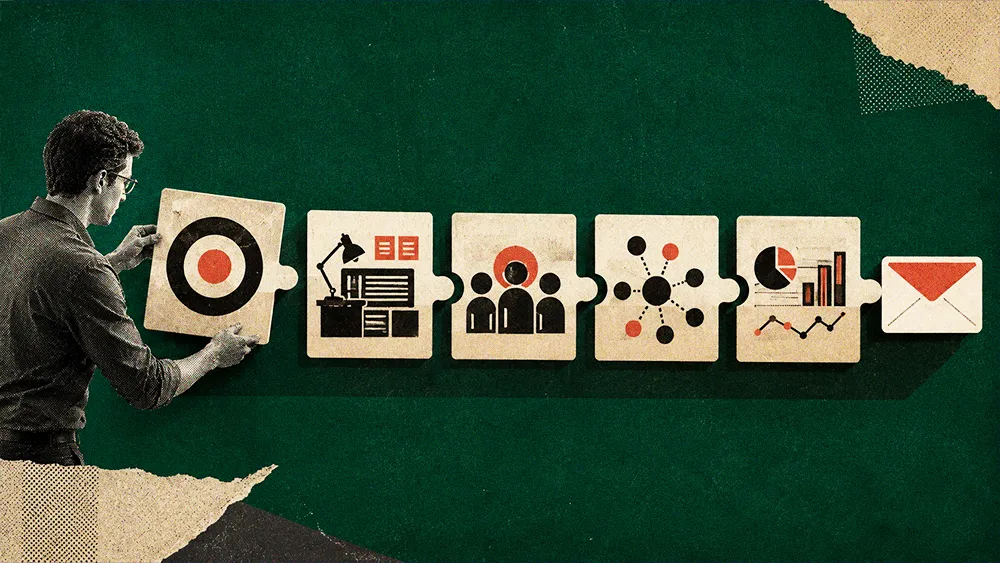
A newsletter is not an owned media strategy. Here's what winning companies actually build: an editorial engine that treats audience as an asset.
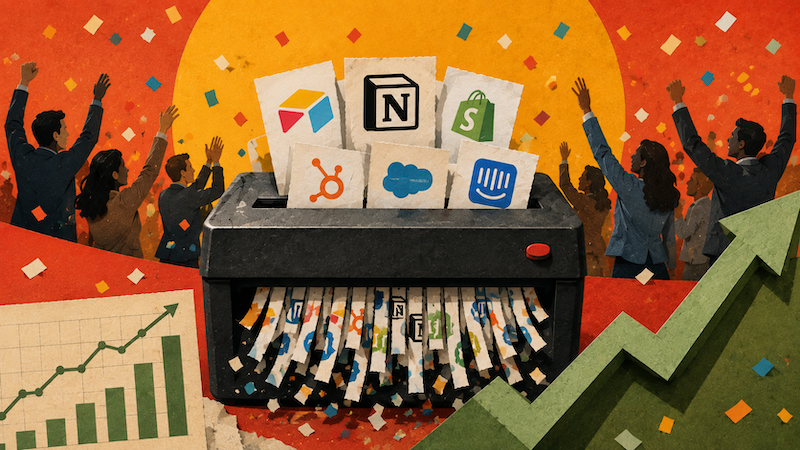
SaaStr cancelled Notion after seven years without a single complaint. Quiet churn is what happens when an AI agent absorbs your product's last job.
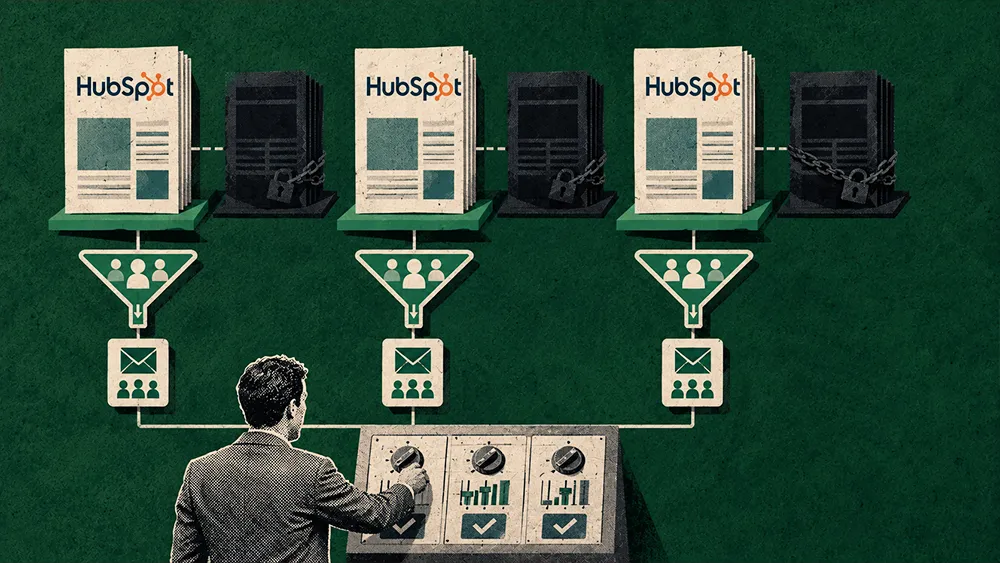
HubSpot valued its media acquisitions on CAC math, and now a story it can't control has cut its market cap.
85.5% of AI citations come from earned media. Or 40%, depending who counts. What eight studies actually show about Reddit, owned media and where PR fits.
A Hebbia founder's viral essay pins AI's failure on the workforce. He's right about the mechanism, and wrong about who it indicts.
A new flagging feature, a pulled writing tool, and a clear message: generated posts will cost you reach. Here is what that means for anyone building a brand there.
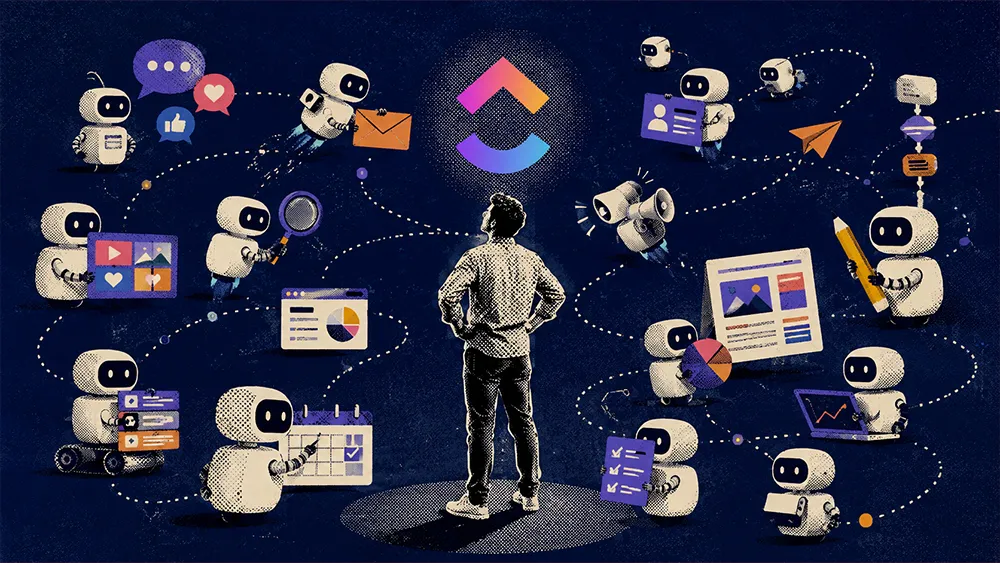
The Fortune 500 spent the year deleting the CMO title. ClickUp just reinstated it as a job for exactly one human, reporting to the CEO, with 3,000 agents underneath and no team at all.
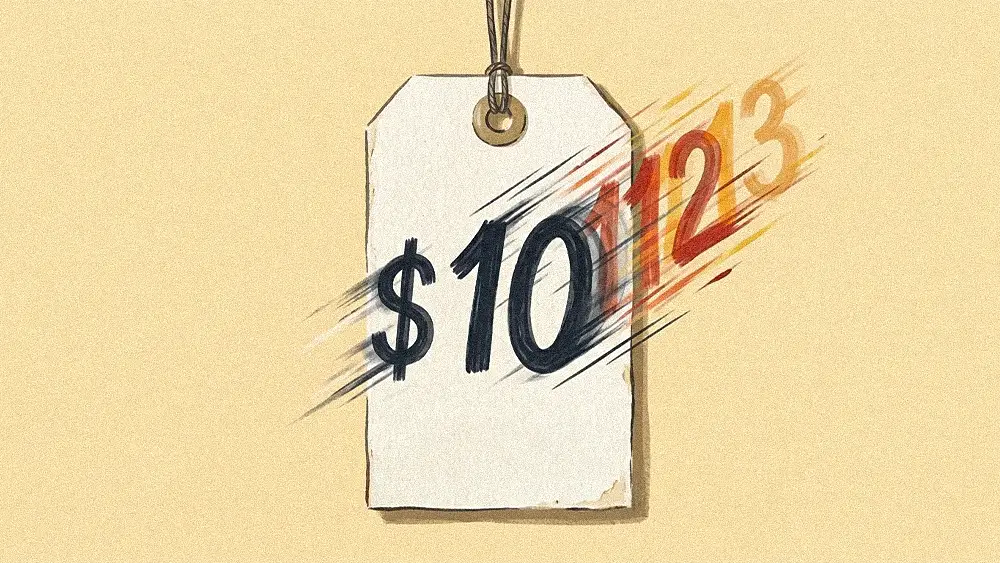
Not in those words. Salesforce is on its fifth AI pricing model in under two years, and buyers can do the arithmetic.

A $20 billion content creation boom is running headlong into a distribution crisis, and the industry keeps solving the wrong problem
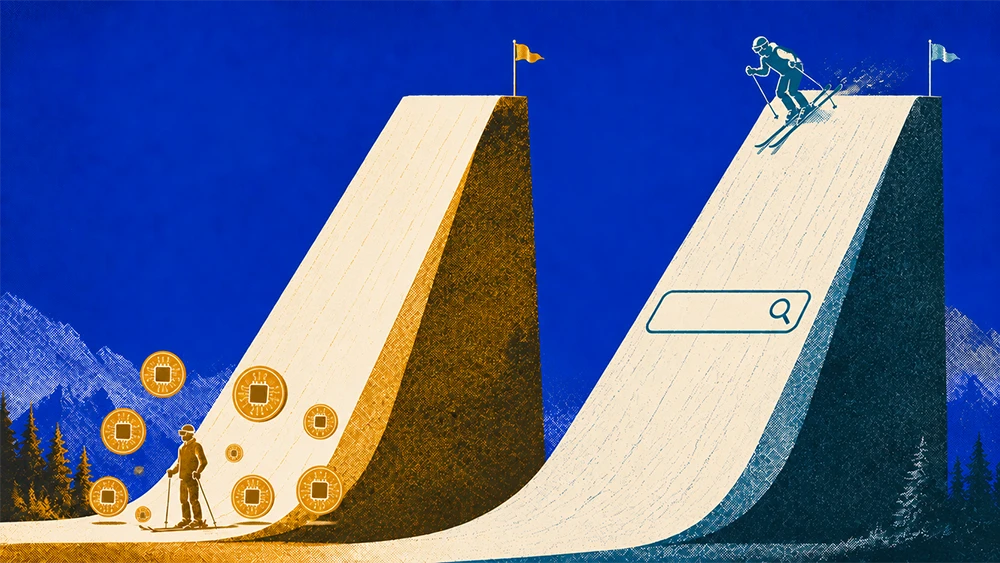
Token prices collapsed 280x in 18 months, and AI search is on the same curve. The only asset that survives commoditization is the one no platform can auction off: your brand.
A real shift is underway in go-to-market strategy. Companies are moving from renting attention to owning it, and the early numbers suggest this isn't a fringe experiment. It may be the next default.
Contentful CMO Elizabeth Maxson partnered with The Atlantic to survey hundreds of marketing leaders on how AI is actually being used inside their teams.
A competitor says the category's best-funded name is selling noise. The most interesting people in the argument think both sides are measuring the wrong thing.
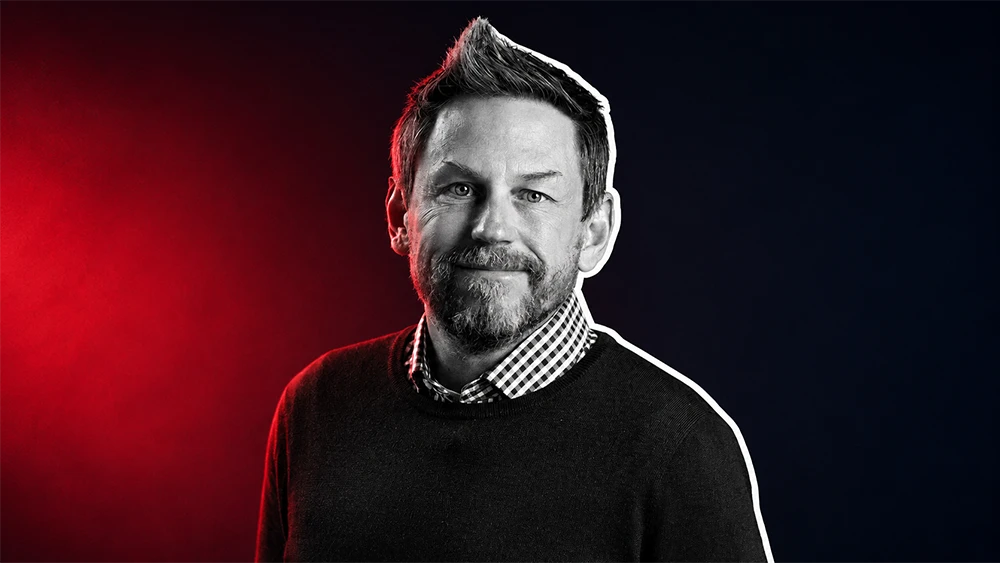
Chris Koehler came into January with a full-year strategy. It lasted about a month. What broke it, and what he's doing instead, should be on every brand leader's radar.

Ahrefs analyzed 75,000 brands and found that AI engines ignore the old content playbook entirely.

Ramp's transaction data reveals the line between AI companies that grow and those that stall sits at about $33 per employee per month.
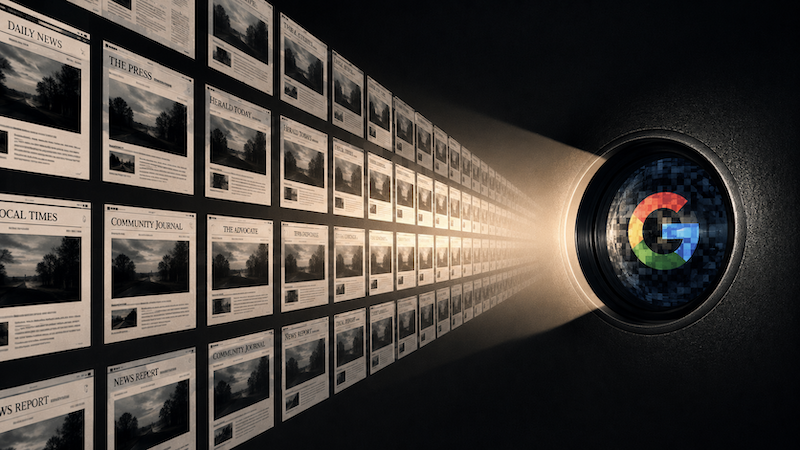
Free syndicated content became local journalism's Taboola with a byline. Now the model that props up hundreds of newsrooms is on borrowed time.
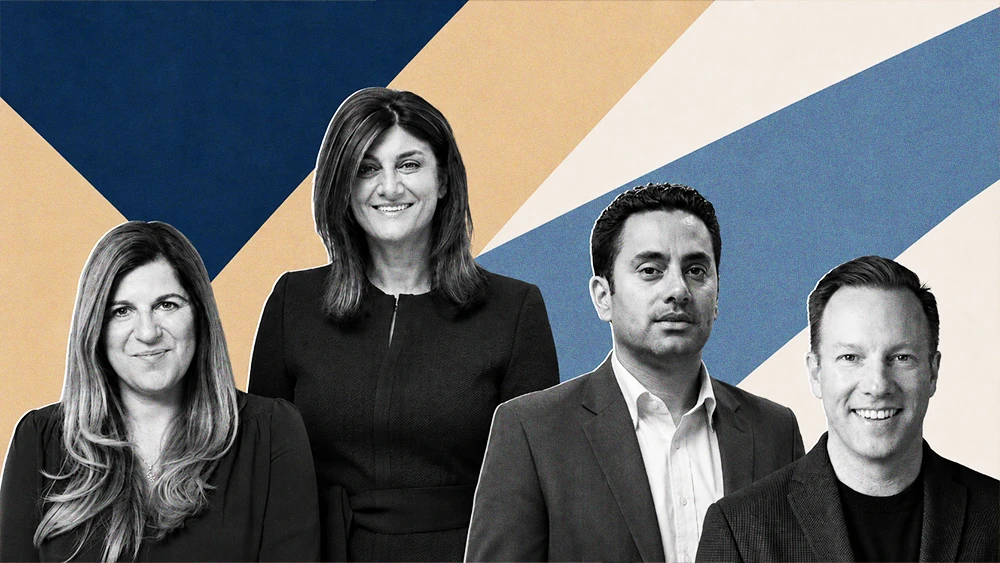
At Cannes Lions, the marketing chiefs of Google, OpenAI, and Chase joined AI Trailblazers founder Shiv Singh for one of the most candid conversations of the week.

The Information rolled out a rebuilt version of its mobile app this week, and founder Jessica Lessin used a note to subscribers to explain the thinking behind it.
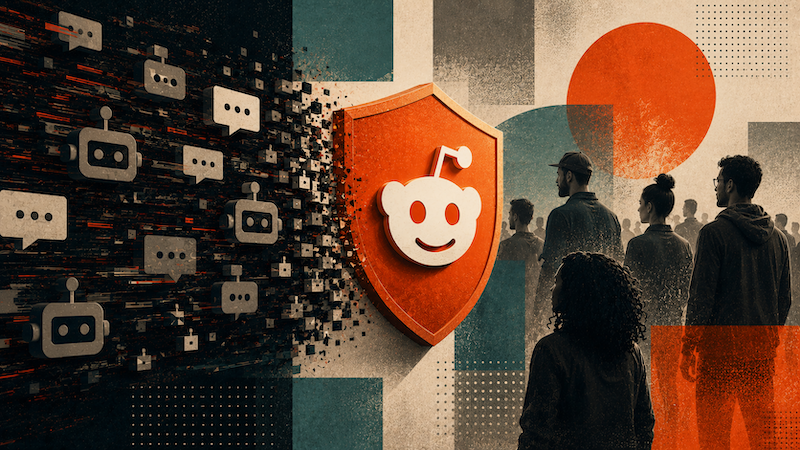
There is an easy way to read Reddit's latest announcement and a useful way to read it.

Elena Verna, the growth leader at Lovable and one of the most credible growth voices in tech, published a plea last week that a lot of people have been muttering privately for a year.
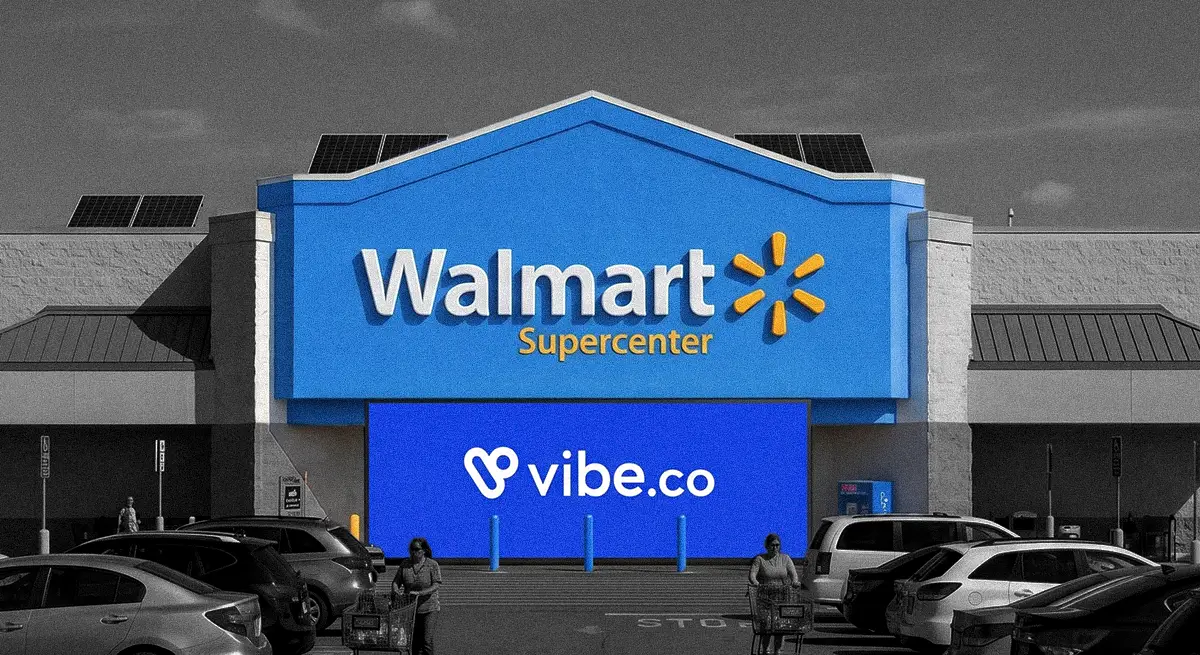
The deal strengthens Walmart's retail media business. It also continues a pattern that should worry every brand that doesn't live inside a retail ecosystem.
The advice was right for twenty years. It stopped being useful the moment everyone got the same tools on the same Tuesday.

Clay just cut the price of data by up to 90 percent. Unify just opened its platform to anyone. The cheering misses what's actually happening underneath.
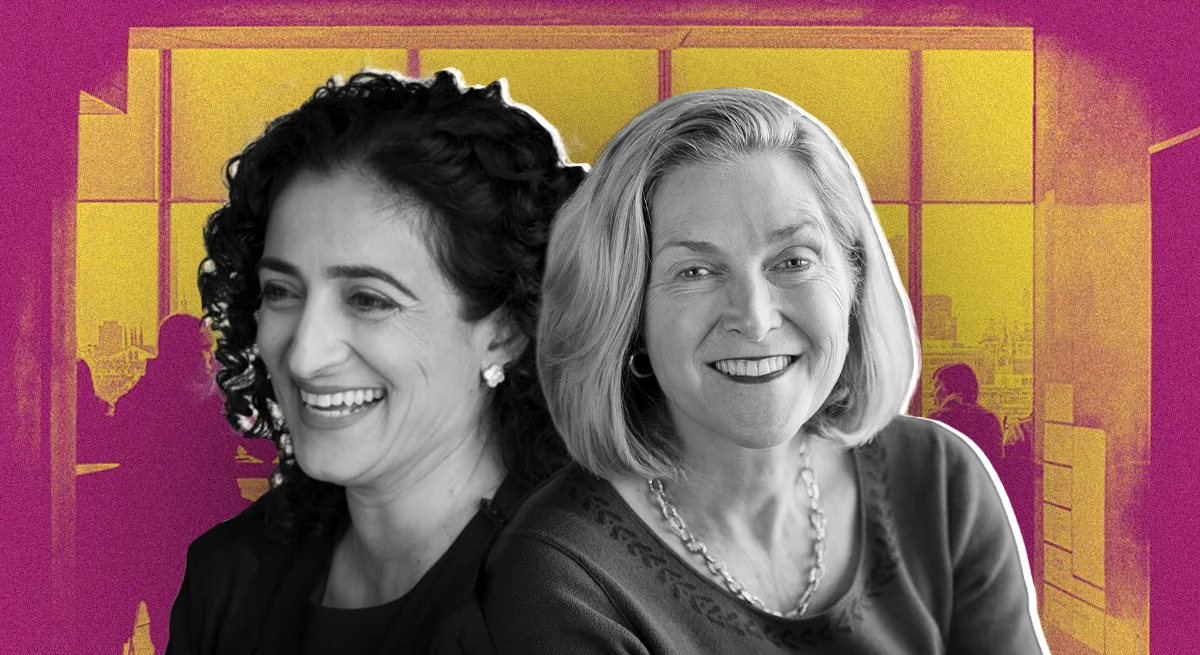
Jessica Jensen sat down with Maryam Banikarim and The Wall Street Journal to explain why LinkedIn is betting on video and creators.

Alex Lamascus joined Workato as its first dedicated thought leadership hire and promptly moved the function closer to the sales floor than the comms team.
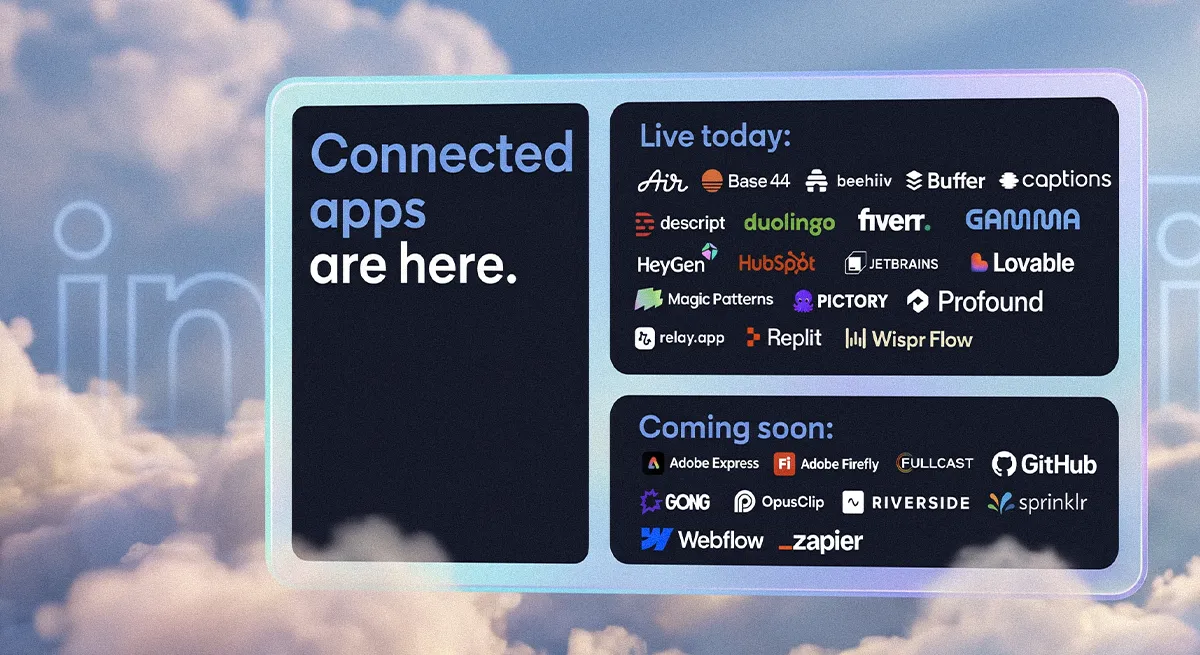
LinkedIn now lets the apps you use write a verified line about how you use them, right on your profile. Members get credibility, and the brands get something more valuable.
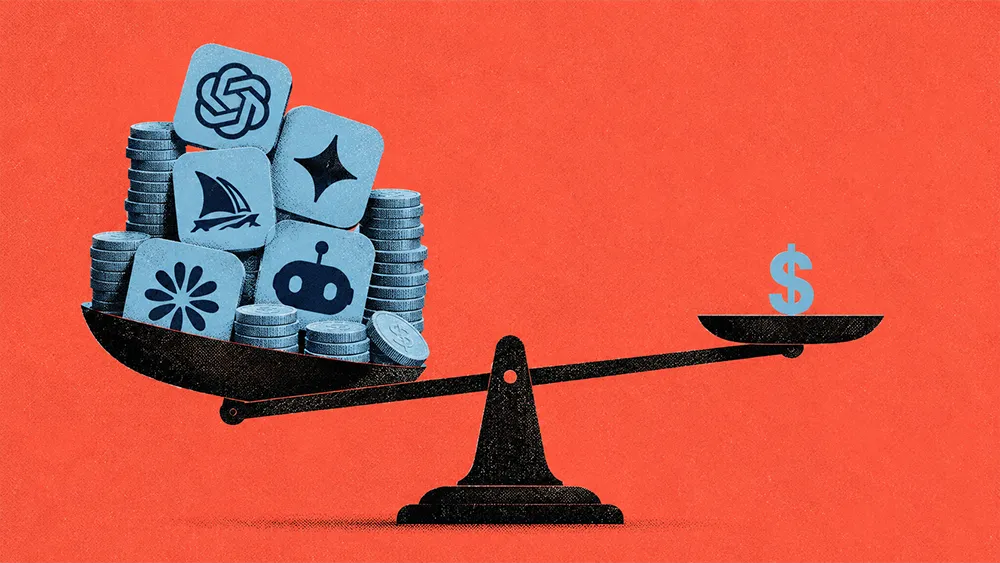
According to Jasper's 2026 State of AI in Marketing report, 91% of marketing teams now use AI in their work. That's near-total adoption. But only 41% of those teams can actually demonstrate a return on that investment.
Aimee Stewart, VP Brand & Communications at Invisible Technologies, runs AI-native creative with a four-person team. Her hiring filter is the one most CMOs are getting wrong.
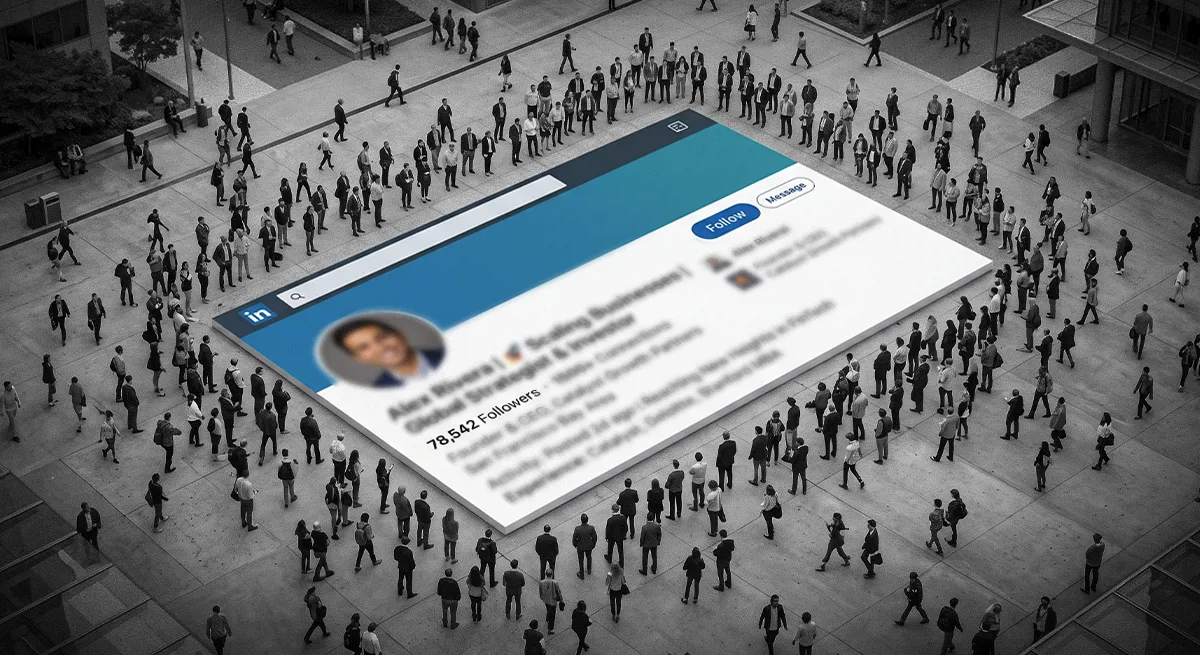
Despite a decade of growth advice built entirely on audience size, the latest algorithm data shows follower count barely predicts how any single LinkedIn post performs.
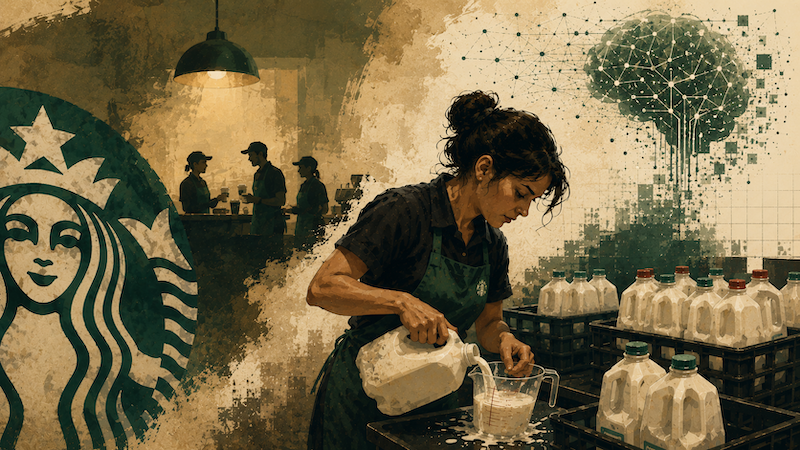
The press release said the inventory was automated, intelligent, and fun. The internal memo, nine months later, said the baristas could go back to counting it themselves.
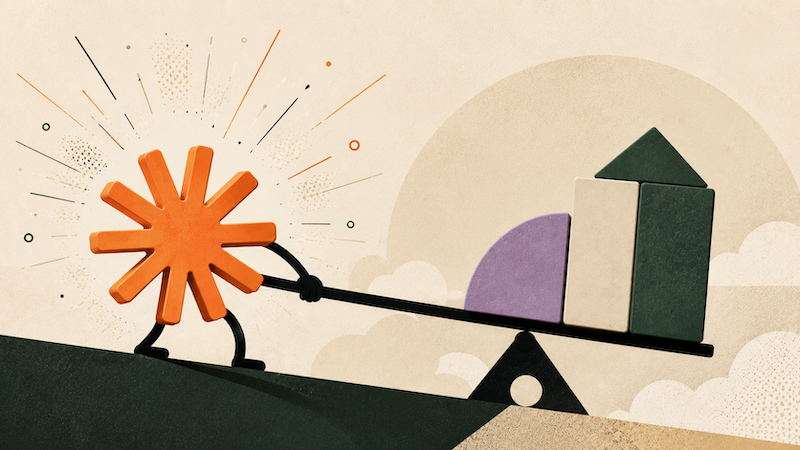
A Muck Rack study has been getting passed around PR teams for weeks, and most people are taking the wrong lesson from it.
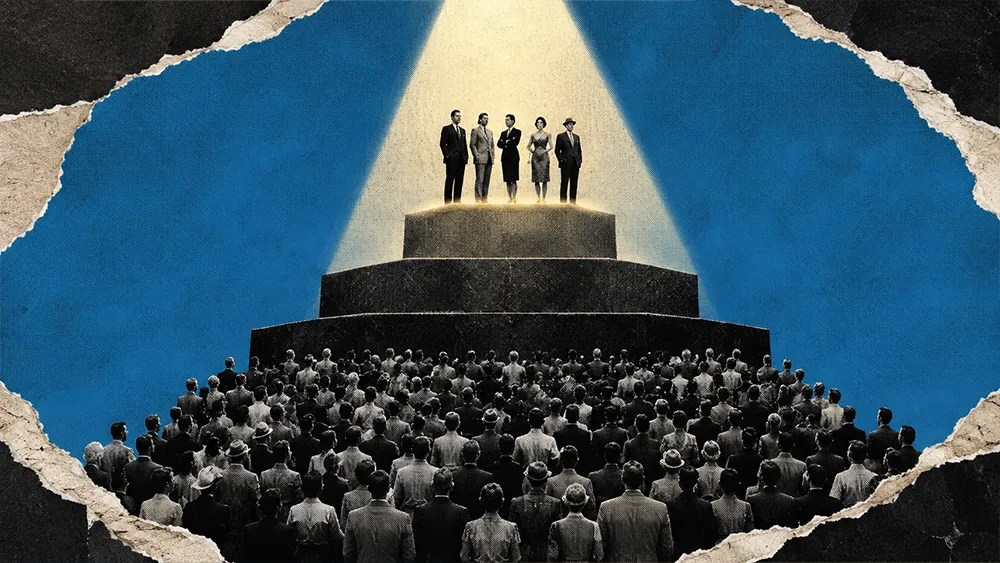
Somewhere in your organization right now, a quiet sorting is underway. Not a restructuring. Not a reorg. Something more permanent.
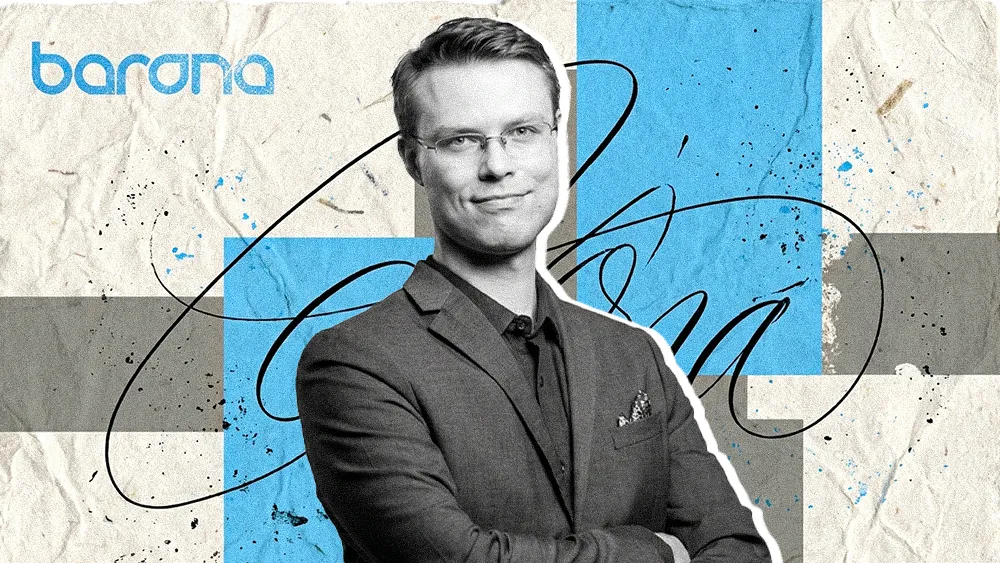
Barona CMO Joni Helminen built his AI content system himself. His framework for encoding brand voice and knowing what to stop delegating is the playbook most teams are missing.
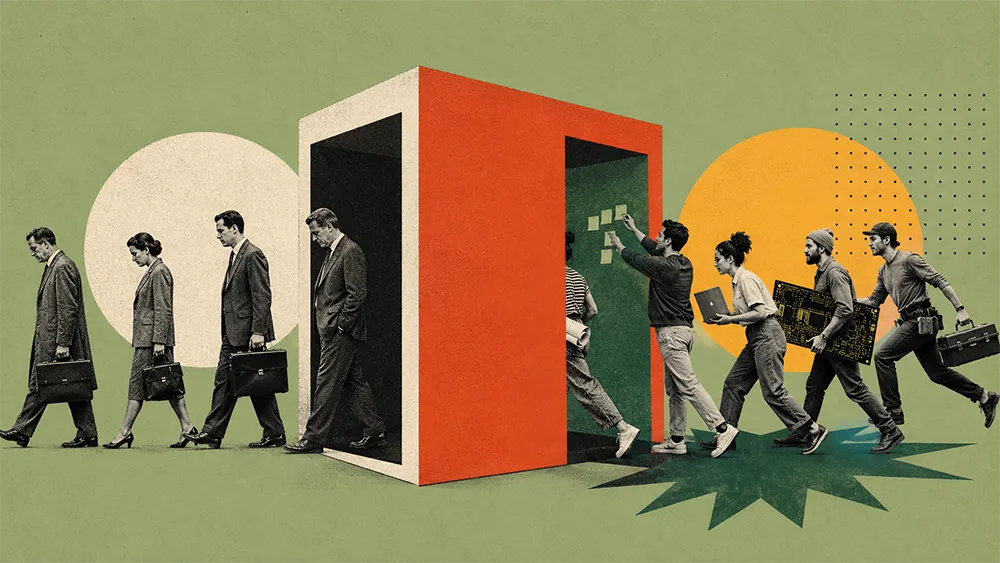
In the span of a few weeks this spring, some of the largest and most watched companies in tech announced they were restructuring around the same idea: fewer people, completely different roles, and organizational models.
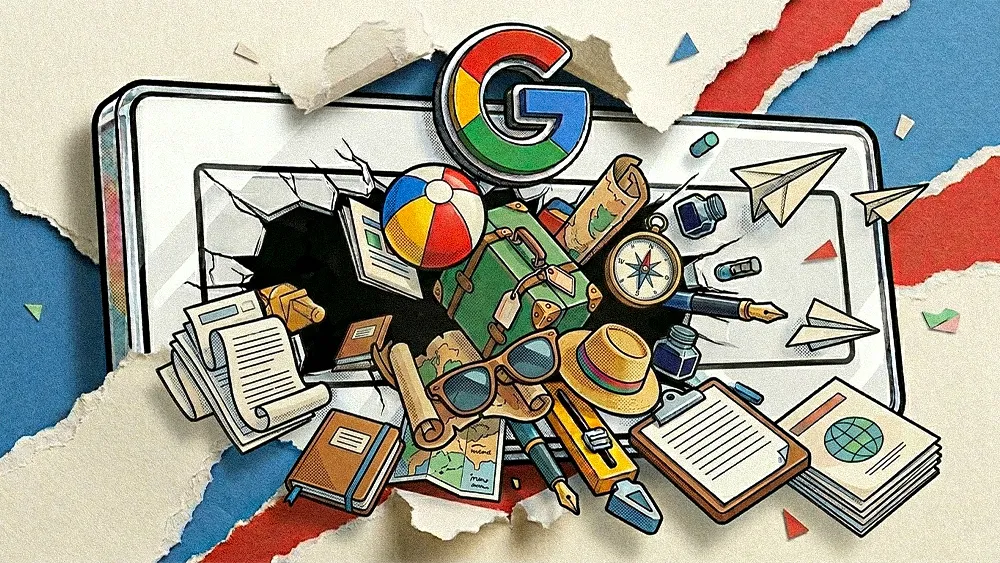
For 25 years, Google Search has worked the same way. You type something. You get a list of links. You click one. That's over.
State of Brand runs on the same infrastructure we deploy for our customers. This was never a marketing decision.
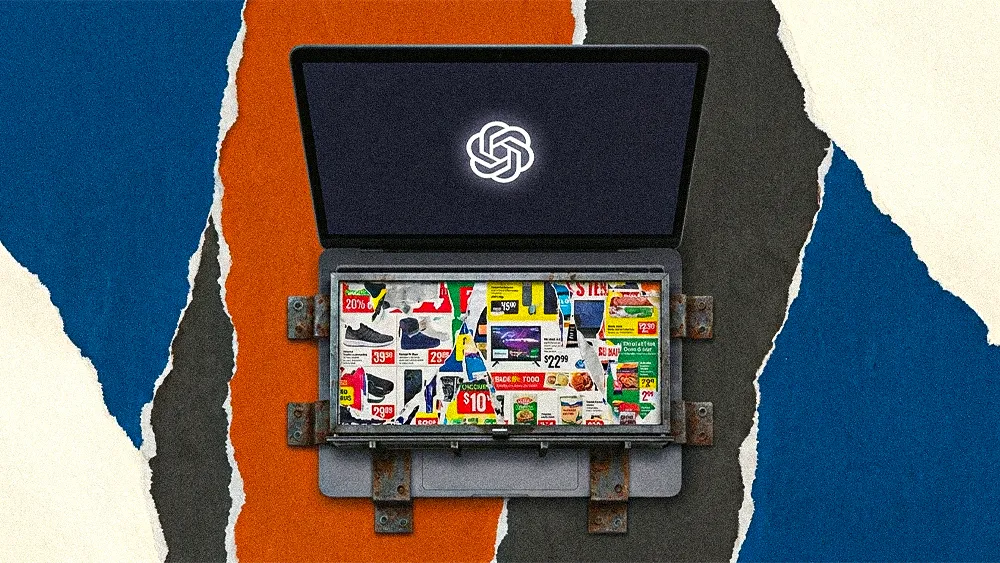
On February 9, 2026, OpenAI started testing ads in ChatGPT. Sponsored recommendations now show up at the bottom of AI-generated responses for users on the Free and Go tiers.
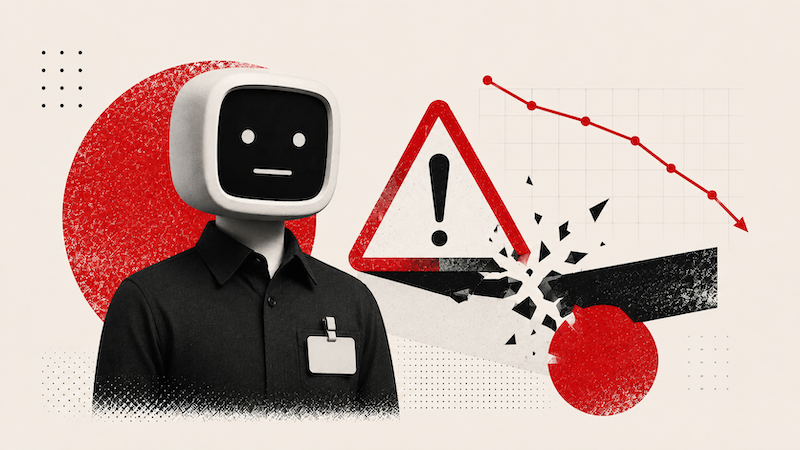
Companies are putting AI agents on org charts, giving them names, and calling them teammates. A large-scale experiment shows this is backfiring on accountability, quality, trust, and professional identity.
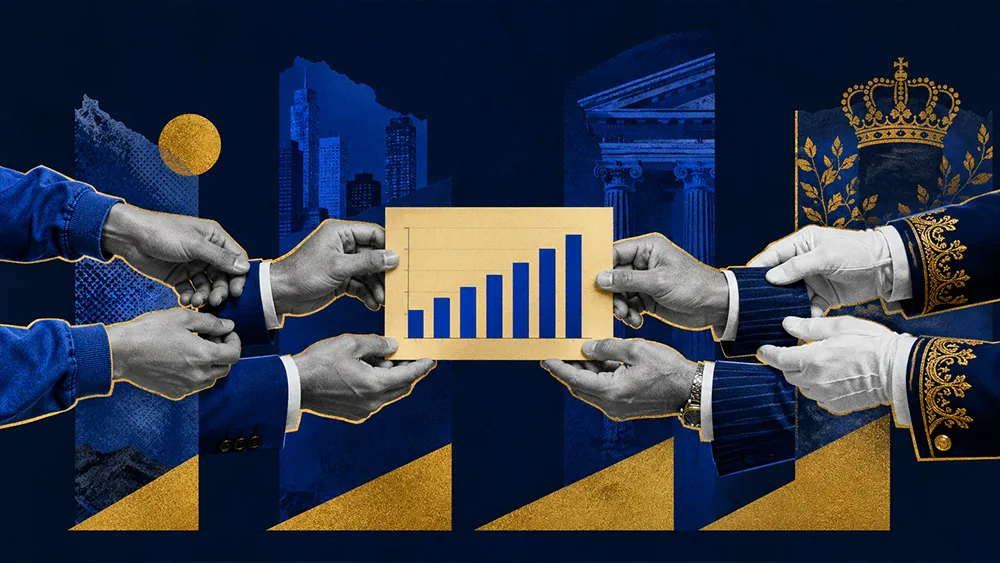
Experian, Ramp, LinkedIn, Redfin, Carta, and Realtor have all hired in-house economists or data storytellers.
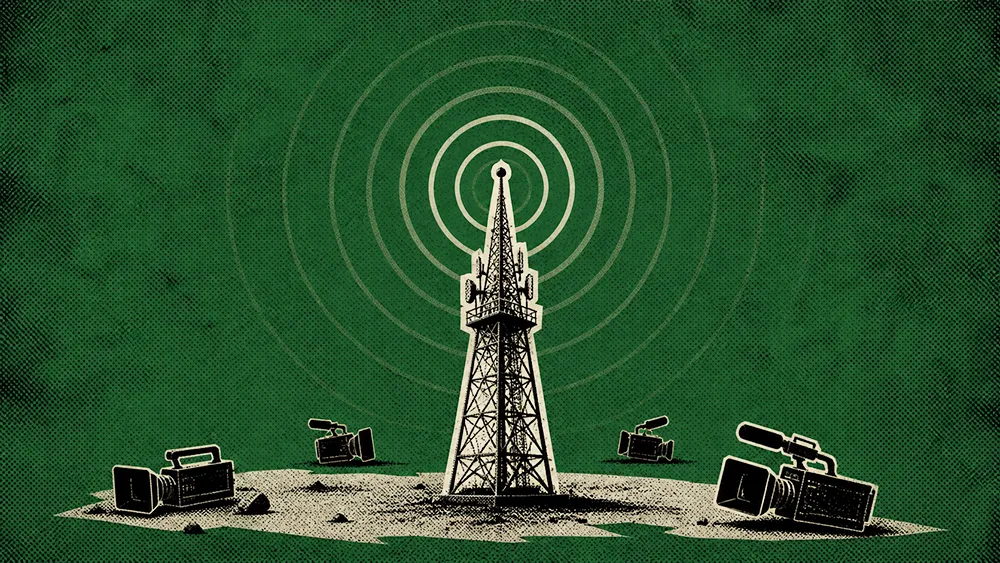
Despite LinkedIn's aggressive push into short-form video after a 36% viewership surge in 2024, the data tells a completely different story.
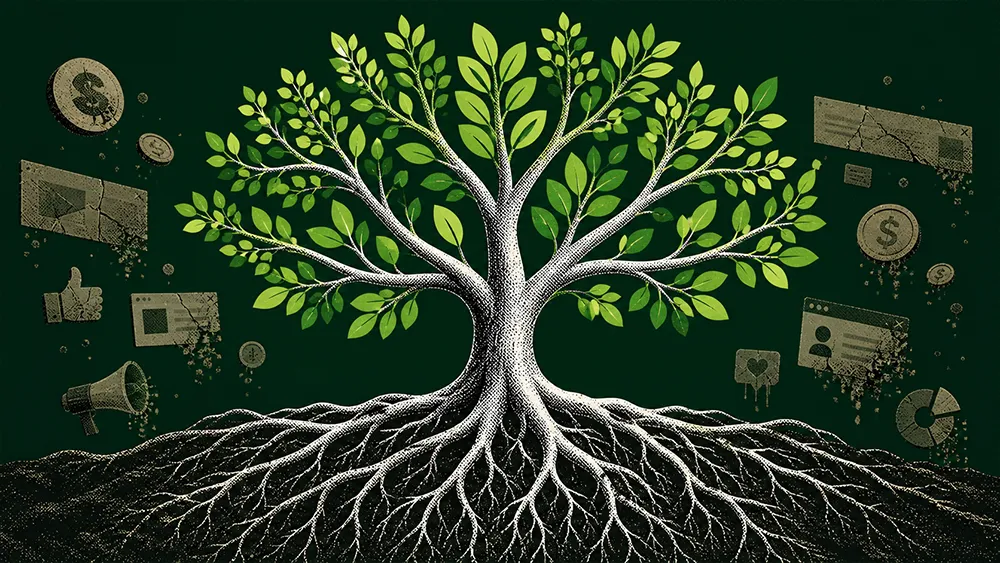
Channels that B2B brands built their growth on are collapsing, and the companies responding by becoming publishers are the ones pulling ahead.

The brands that publish will be found. The brands that do not will be described by someone else, or not described at all. This is the complete case, backed by every data point we could find.

Zoom's CMO assembled a cross-functional war room to control how AI describes the company. The data behind that decision applies to every brand reading this.
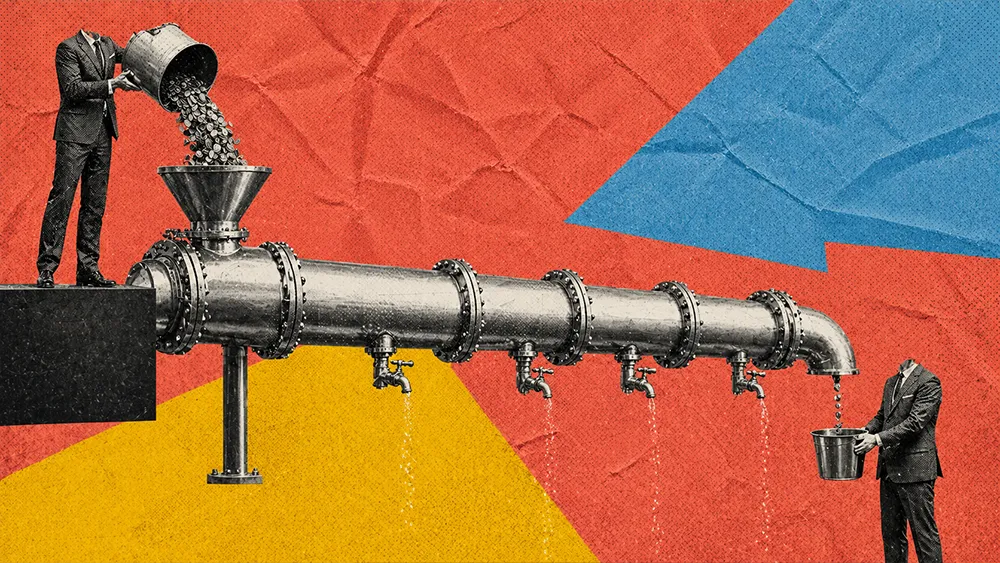
B2B content distribution has become an arbitrage industry where someone takes a margin at every layer, and most marketers cannot audit where their dollars actually land.
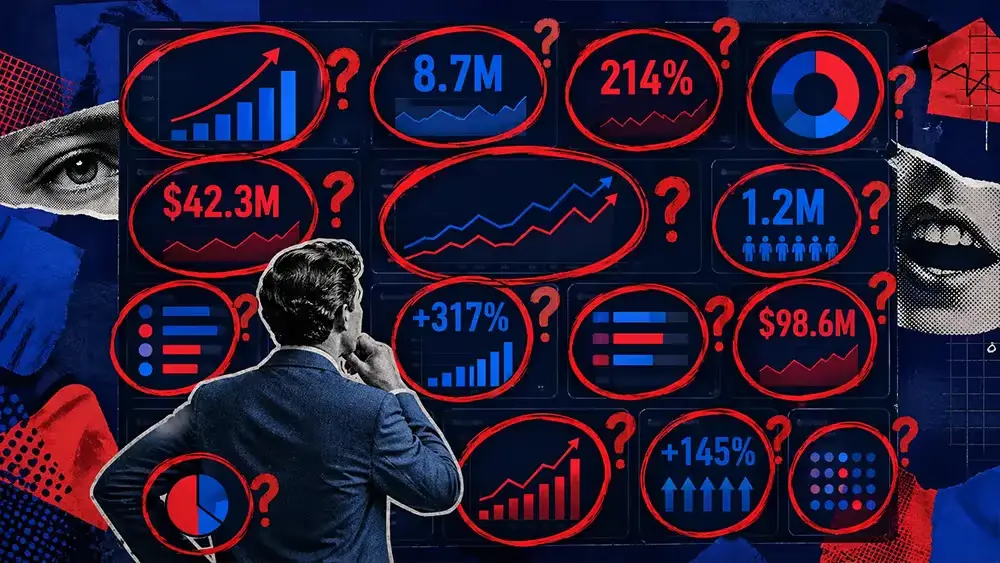
For a decade, traffic volume gave content marketers cover. Budgets grew, headcount grew, and nobody had to answer the ROI question with any real precision.

We have been saying it for months: the way people find information is changing, and the companies best built to win are the ones that publish like media companies.
Every platform shift produces a wave of new job titles. The Marketing Engineer is one worth taking seriously, which is exactly why the org change has to come before the hire.
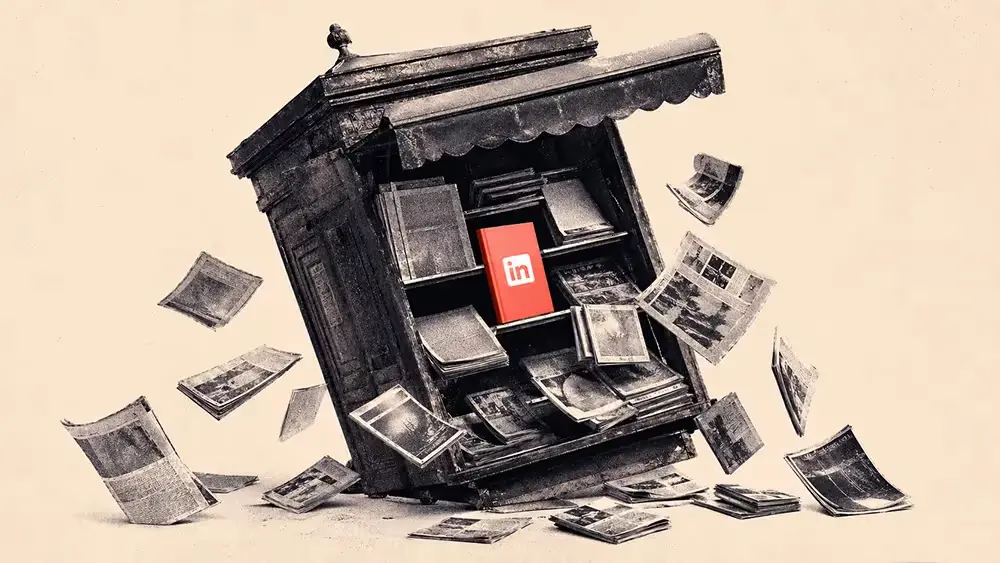
Trade media is collapsing. Google referral traffic is in freefall. And a new class of companies is responding by doing something that would have seemed absurd five years ago: becoming publishers themselves.
The $32 billion fintech company does not want a content marketer. It wants a media builder.
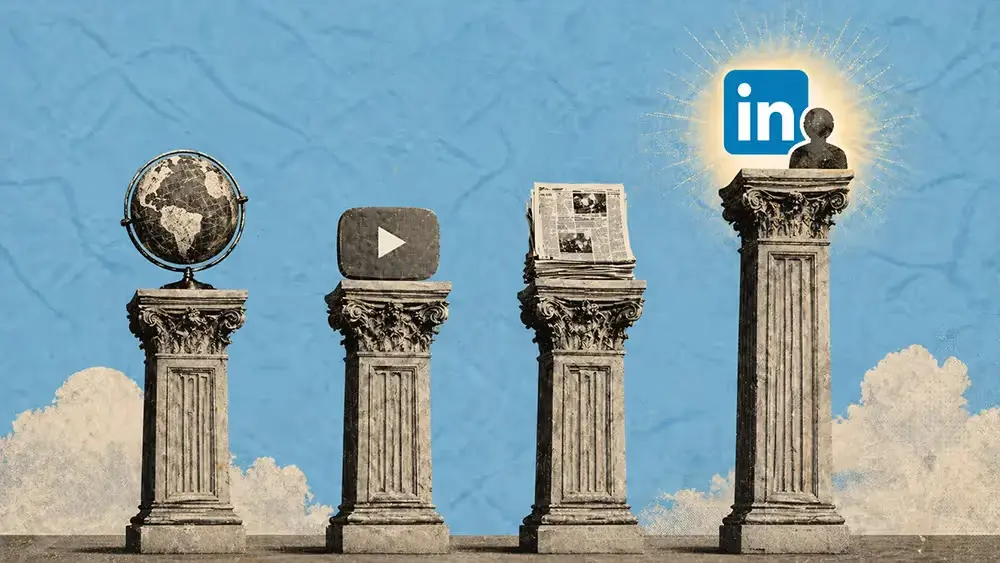
Recently, I wrote about LinkedIn's algorithmic shift away from company pages and why employee voices had become the primary distribution layer for B2B brands.

An expense management company that makes you laugh, makes you smarter, and makes your finance team faster shouldn't work in B2B, but Ramp proves it does.
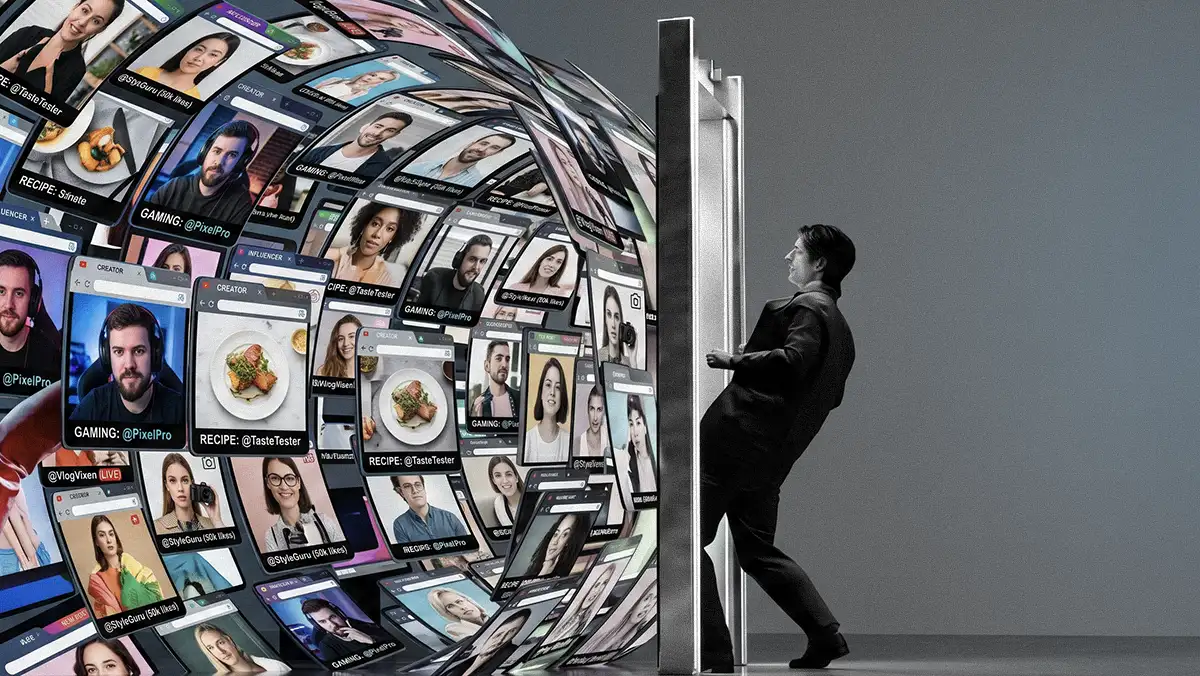
For years, B2B creator partnerships lived in the brand budget and died on soft metrics, now they're being measured against pipeline, revenue attribution, and customer acquisition cost.
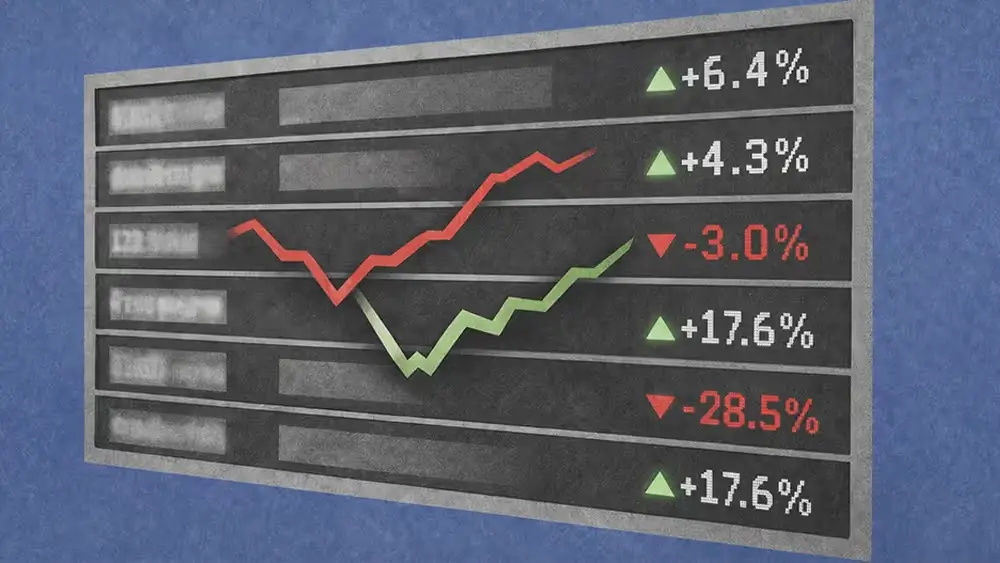
Three days. One board resignation, one product launch, and a 7% stock drop. What happened to Figma this week is a brand strategy story.
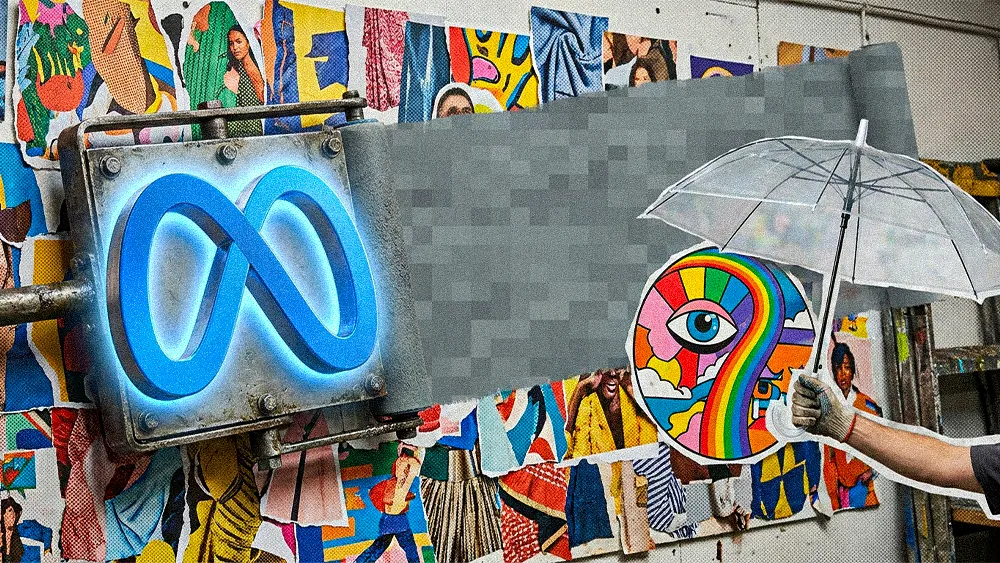
Meta removed manual targeting, deprecated legacy campaigns, and started generating creative by default in 2026. For brand leaders still treating this as a media buying problem, the damage is already compounding.
LinkedIn's algorithmic shift toward authentic, expert-driven content just made that official. Now there is only one channel the platform is actively rewarding, and for B2B brands, that means leaning into people.

Allbirds pivoted to GPU leasing under the name NewBird AI, and the story is a case for why brand discipline outlasts every hype cycle.
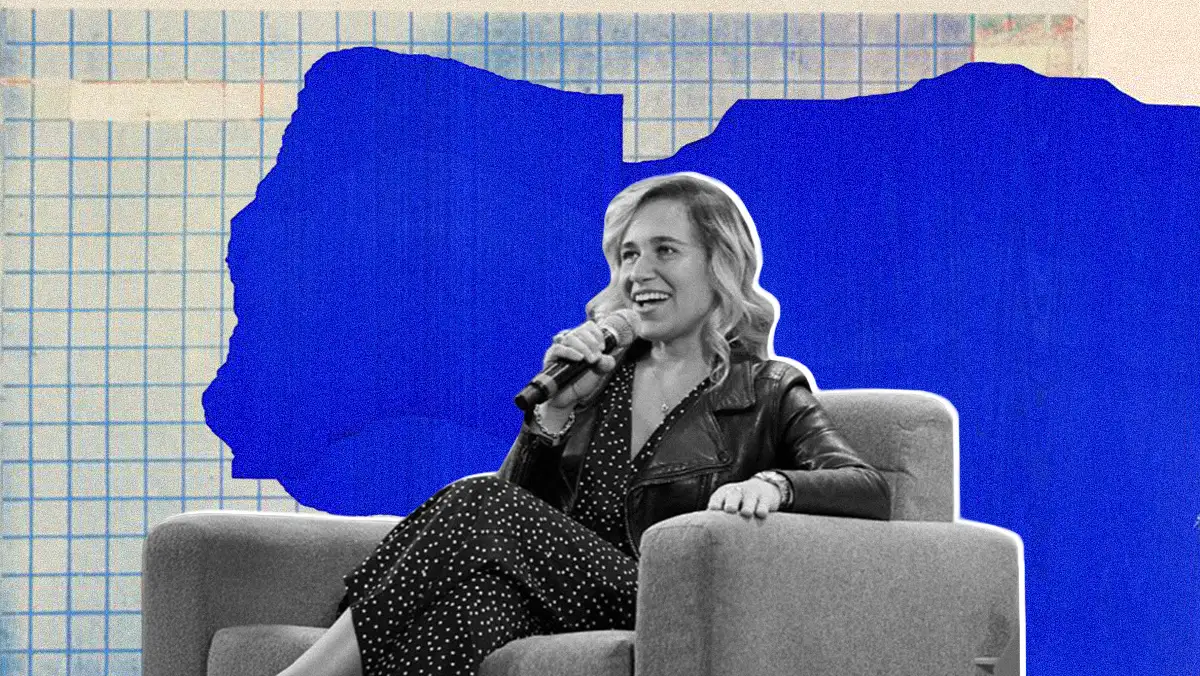
This publication will cover marketing, growth, GTM, and brand as it's actually evolving. Not the version that looks good in a recap deck, but what's really shifting, why it matters, and what to do about it.
The game is mostly over before your sales team knows it started, and brand is the only asset that travels into the rooms where shortlists get built.
When billionaires start buying the same asset class at the same time, it's worth asking what they see. The answer isn't content.

B2B influencer marketing has a structural problem. The budgets are growing, the voices that matter have options, and most brands are still negotiating like neither of those things is true.
The gated whitepaper model broke because AI can't crawl it, buyers won't tolerate it, and the leads it produced were never that good.
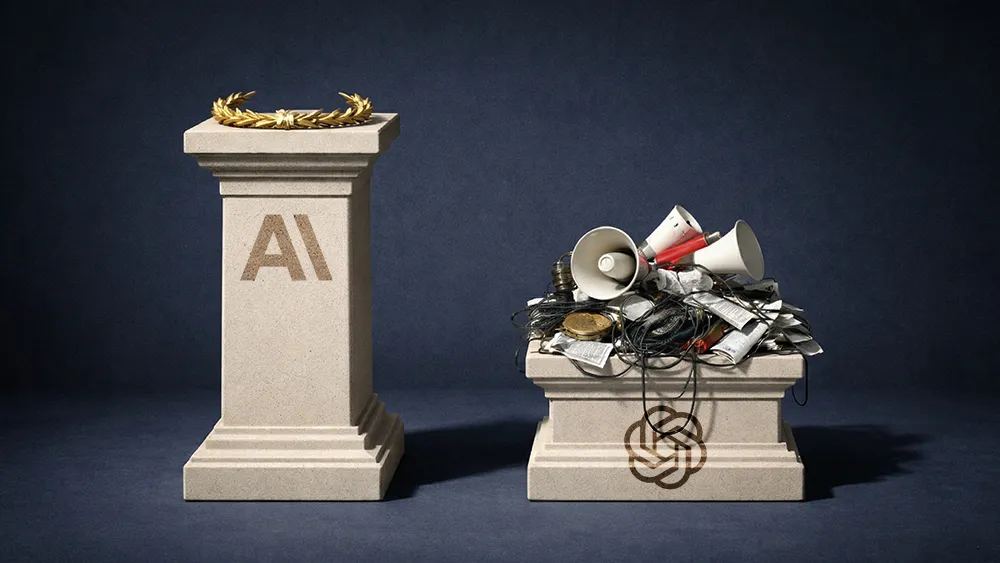
Anthropic tripled its revenue in four months and overtook OpenAI without a single ad, proving trust is the growth engine enterprise buyers pay for.
With newsletters, websites, and podcasts manageable from one dashboard, Beehiiv has made owned media frictionless. The harder part was never the tech.
AI Overviews reduced click-through rates up to 61%, making brand authority the last remaining path to visibility where B2B buyers actually make decisions.
LinkedIn now ranks as the second most-cited domain across major AI search platforms, meaning AI systems regularly pull from employee posts and long-form articles to answer professional questions.
OpenAI’s acquisition of TBPN, a daily live tech talk show, signals that even the company building the tools behind today’s content ecosystem still has to buy trust instead of generating it.
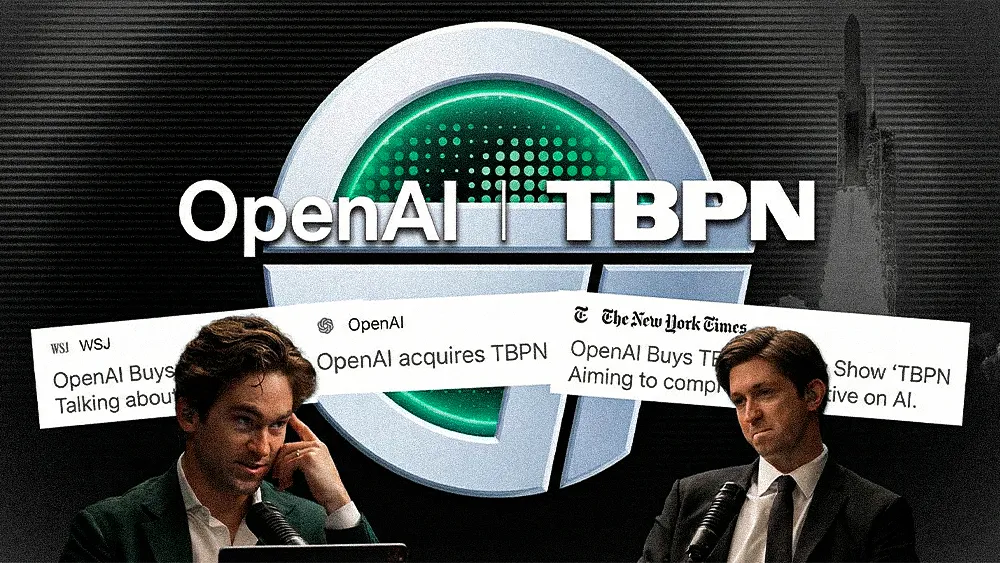
OpenAI acquired TBPN, a live tech show averaging 70,000 viewers per episode and on track for $30 million in revenue this year. It's the latest in a string of smart-money bets on owned media.